All- rounders: the greatest of all times..

Here is an attempt to list out the top ten best all rounders in test matches. Names like Andrew Flintoff, Ben Stokes, Larry Hammond, R Ashwin, R Jadeja, Richie Bennard, Wasim Akram narrowly missed out. As an area of focus, the era and the contribution to the team was also taken into account. So here it goes…

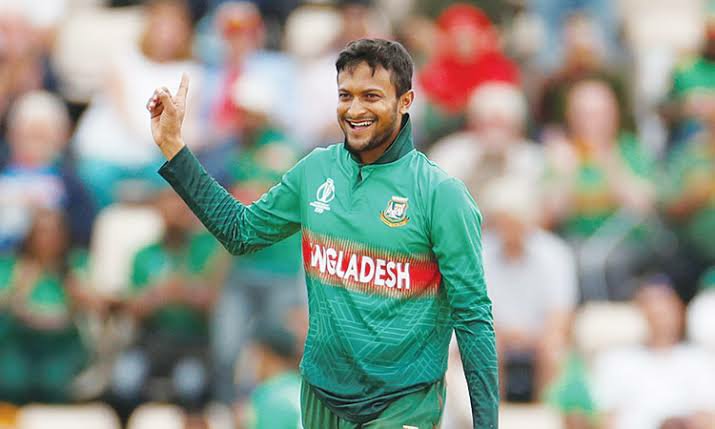
  1. Shakib Al Hasan

At number ten, is perhaps the greatest ever spinning all-rounder, and most definately Bangladesh’s greatest ever. My initial number 7 in this list, but lost few places only because of the number of matches played were just above 56. None the less, glad that I could fit him in the list of top 10.
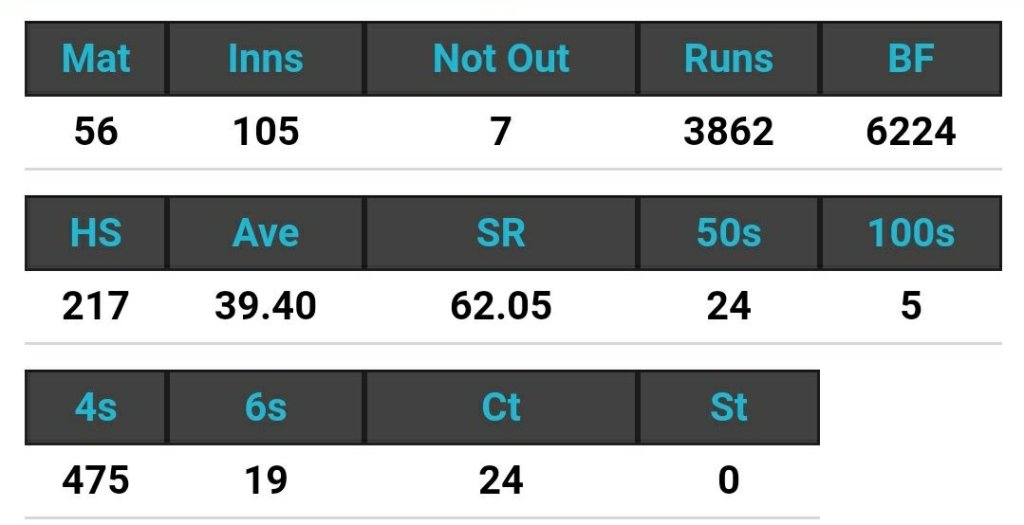
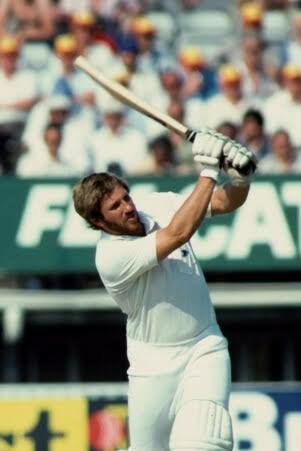
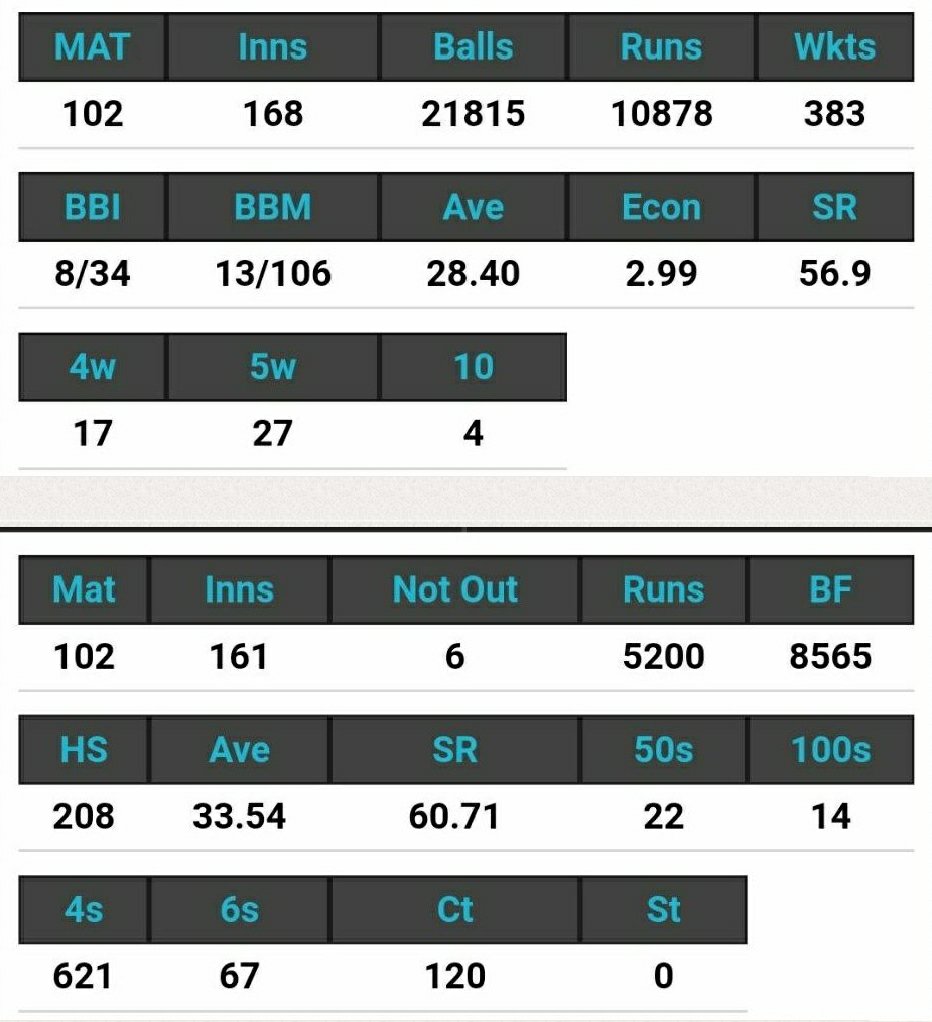
  1. Sir Ian Botham

Next in my list I have kept Ian Botham. England’s go to man during the 80s. His Ashes heroics are the stuff of cricket legend now. Botham, or Beefy as he was known on the ground, was the difference between Australia and England in the series that became known as ‘Botham’s Ashes’ in 1981. A true match winner for England, whose all-round ability brought a turn around for the English side in the 80s.
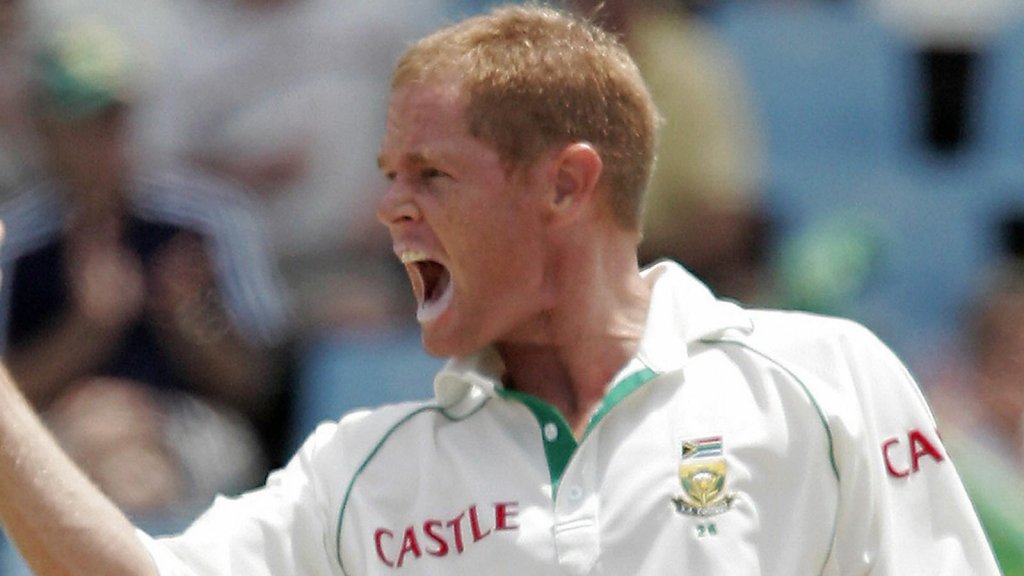
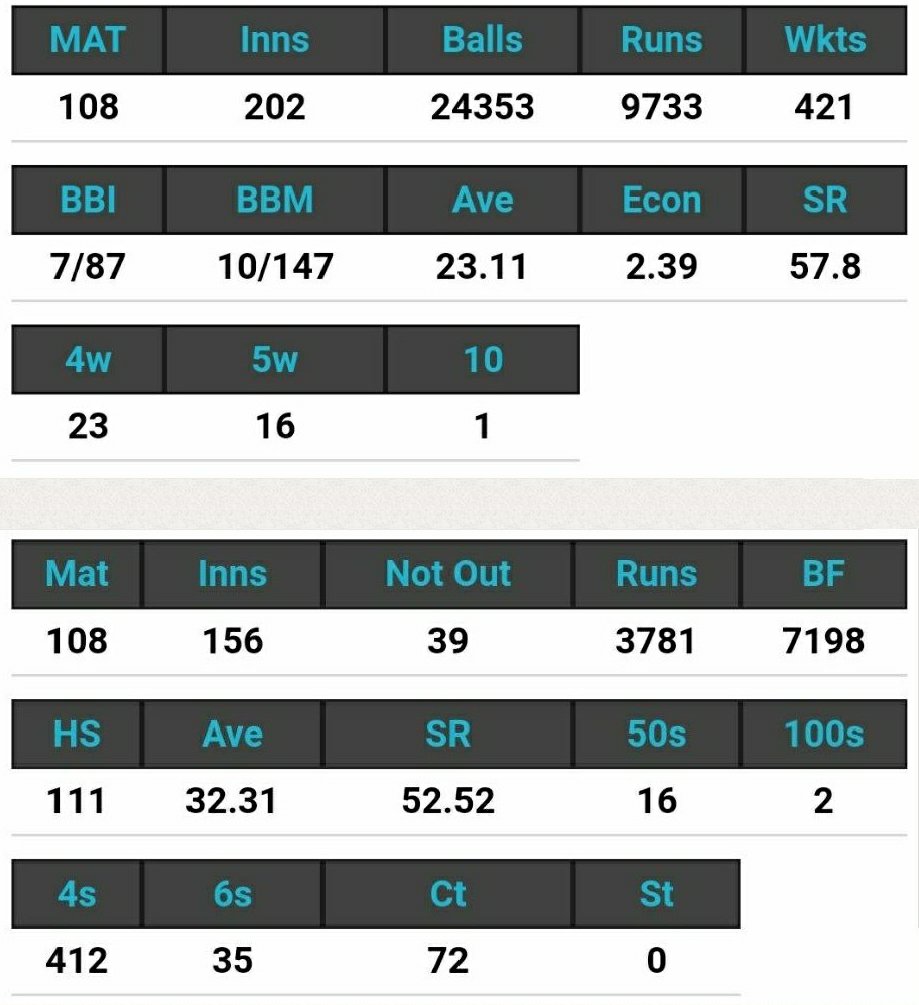
  1. Shaun Pollock

South Africa’s highest wicket taker in test cricket, who was skillful with the bat to say the least. Took over the mantle to captain the side after the Hansie Cronje controversy, and formed perhaps the greatest south african bowling trio with Donald and Ntini.Widely acknowledged as one of the greatest South African cricketers of all time, Pollock was a bowling all-rounder who was, for a time, one of the most consistent bowlers in the world while also being capable of chipping in with the bat.
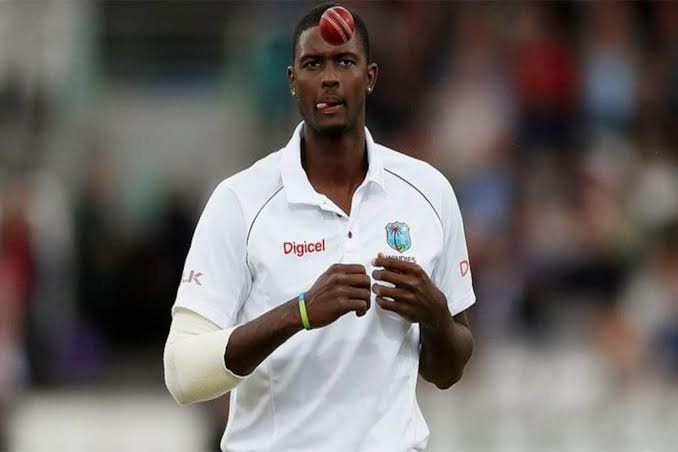
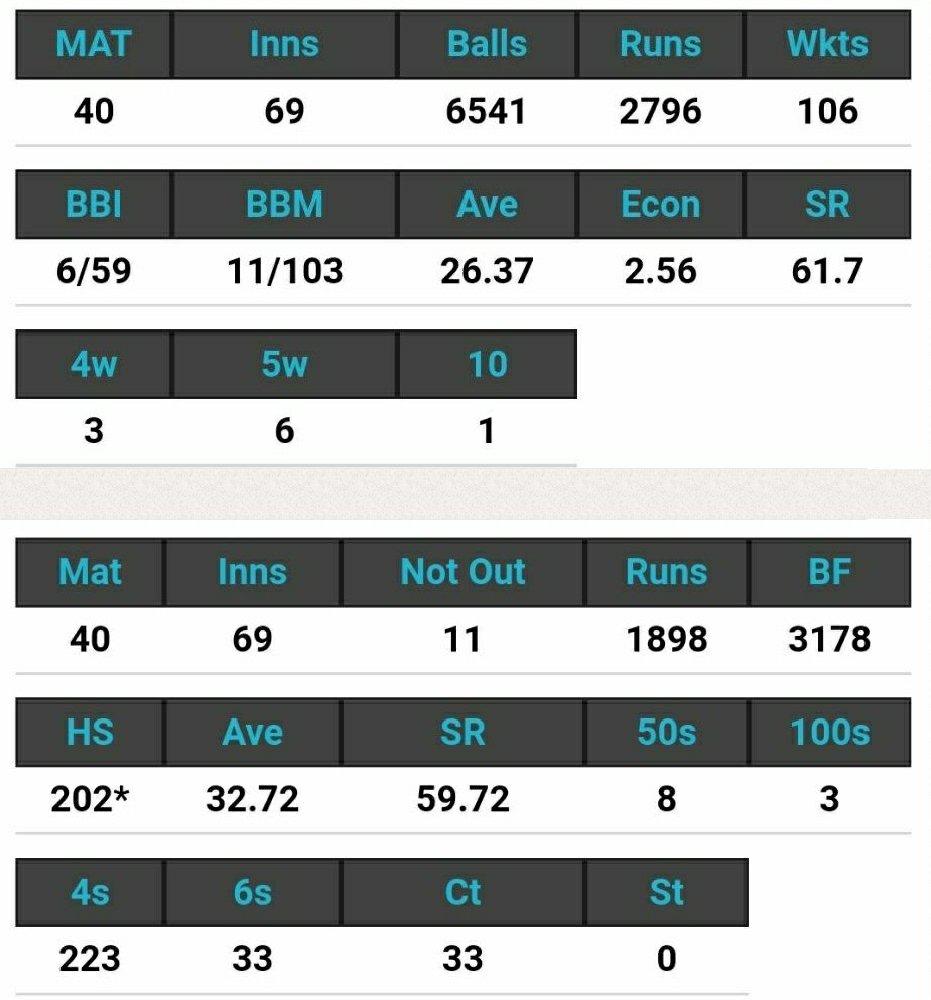
  1. Jason Holder

At number 7 is a controversial pick, as some would put it. In fact he was not even a part of my initial list. But look at his record once, and add to that the contribution that he has made as an individual player to the current west indian set up, you cant keep him away. A genuine talent both with the bat and ball, and perhaps the most underrated all-rounder in this pack of ten.
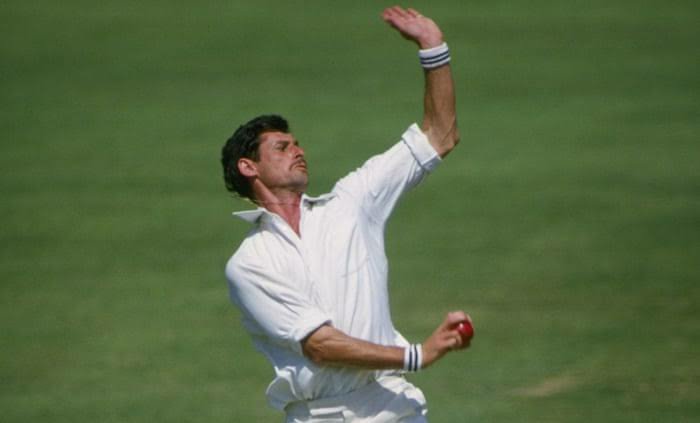
  1. Sir Richard Hadlee

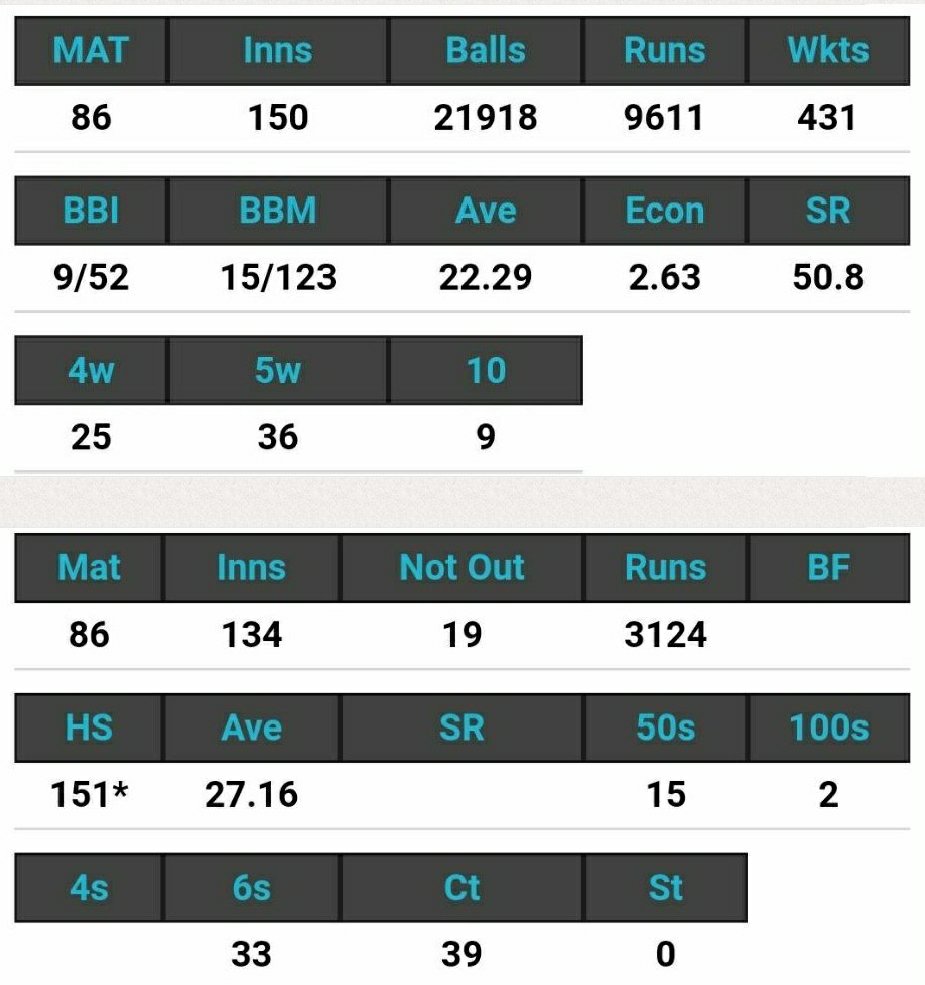
Richard Hadlee was the first bowler to pick up 400 wickets in Tests. He also was the highest wicket-taker (431) in Tests when he retired. The Kiwi legend was useful with the bat and scored two hundreds and 15 fifties in Tests. He amassed over 12,000 runs in first-class cricket.
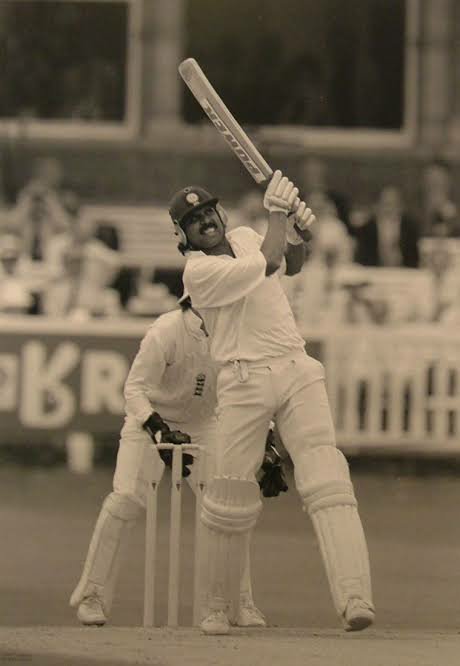
  1. Kapil Dev

Kapil Dev is India’s greatest all-rounder and one amongst India’s greatest fast bowlers. One of the great 1980s all-rounders alongside Hadlee, Imran and Botham.

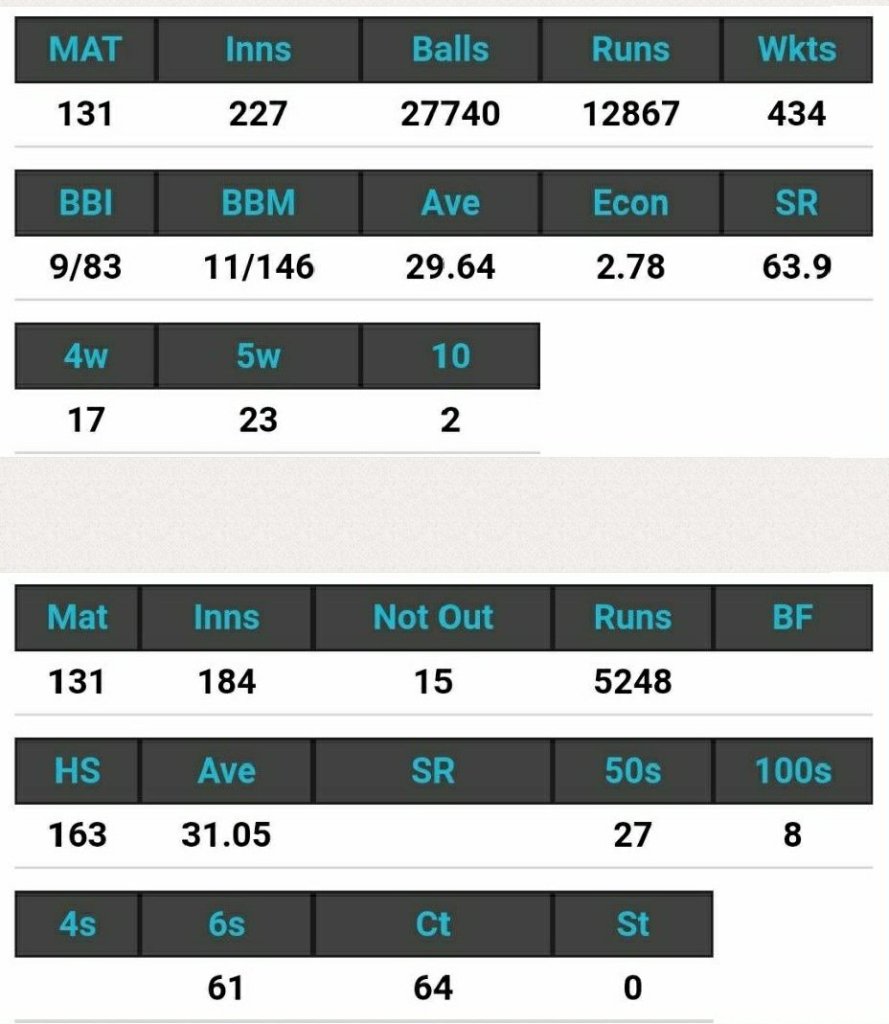
Kapil Dev had a terrific Test career spanning 16 years, earning glory with his consistent bowling and his hard-hitting batting. Kapil was the second bowler in the history of the game to take 400 wickets, eventually surpassing Hadlee’s world record of 431 in his final test. He finished with 434 wickets at an average of 29.64.

While that bowling average seems pretty high, it must be noted that a majority of tests he played was in India. Making his feat even more remarkable.

With the bat, he was a tour de force in his heyday. While the average says 31.05, he did score included eight centuries and 27 half-centuries.

He retired after playing 131 Tests, scoring 5,248 runs and 434 wickets.
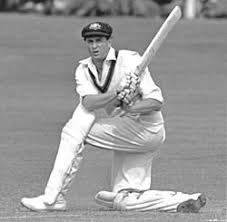
  1. Keith Miller

The great Australian all-rounder of the post-war era, Keith Miller was test cricket’s first true and greatest All Rounders. He often batted high in the order at number three. Known as a natural striker, he marked his place in the Cricket history as a powerful hitter as well. Miller could vary his pace, line, and length while bowling to confuse the batsmen.

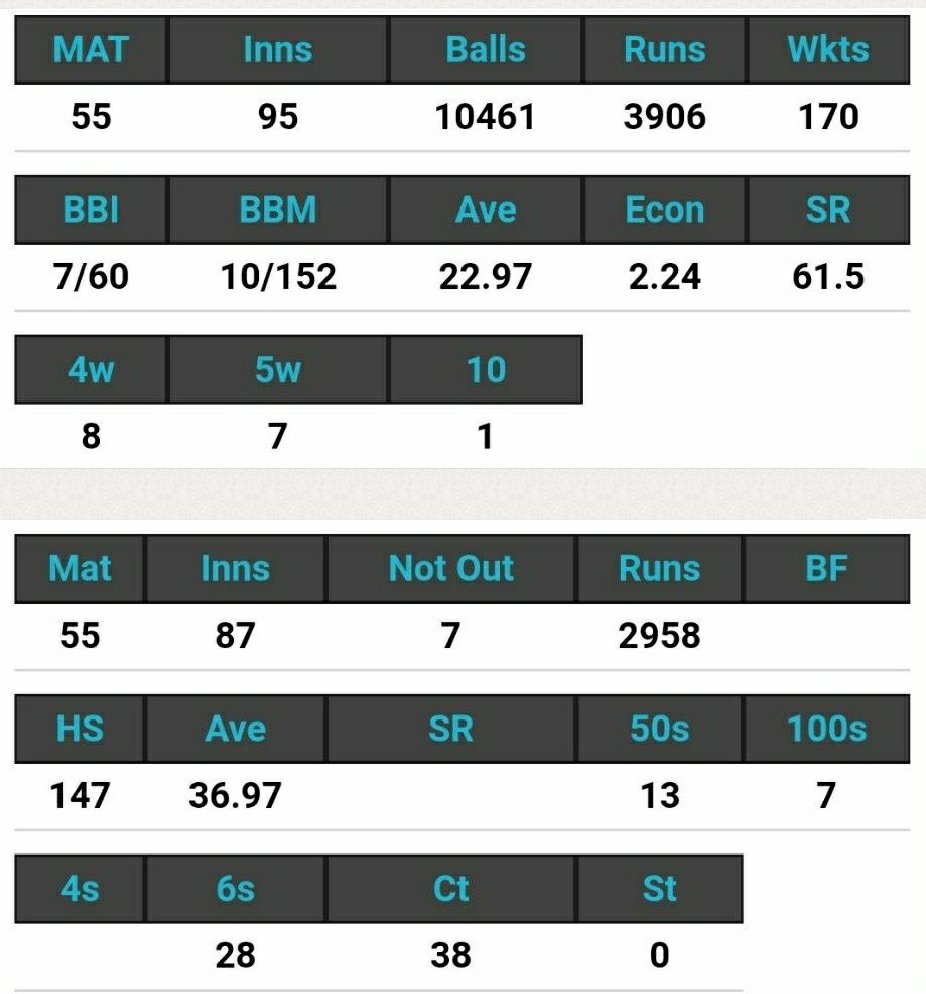
He made full use of slower deliveries and bowls his fastest deliveries from a short run-up. He was also an acrobatic catcher in the slips. Miller’s abilities as an all-rounder led to enormous success as both batsman and bowler. In his career which spanned just over ten years, Miller had scored 2958 runs and scalped 170 wickets.
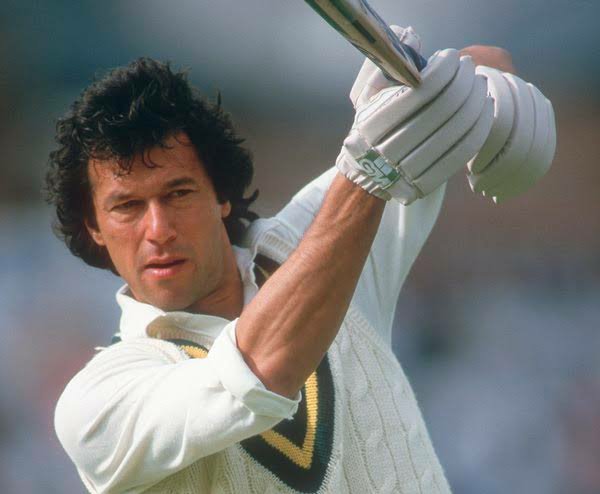
  1. Imran Khan

A true champion and undoubtedly Pakistan’s finest cricketer ever, Imran Khan finds himself at No. 3 in the list of all-time great all-rounders.

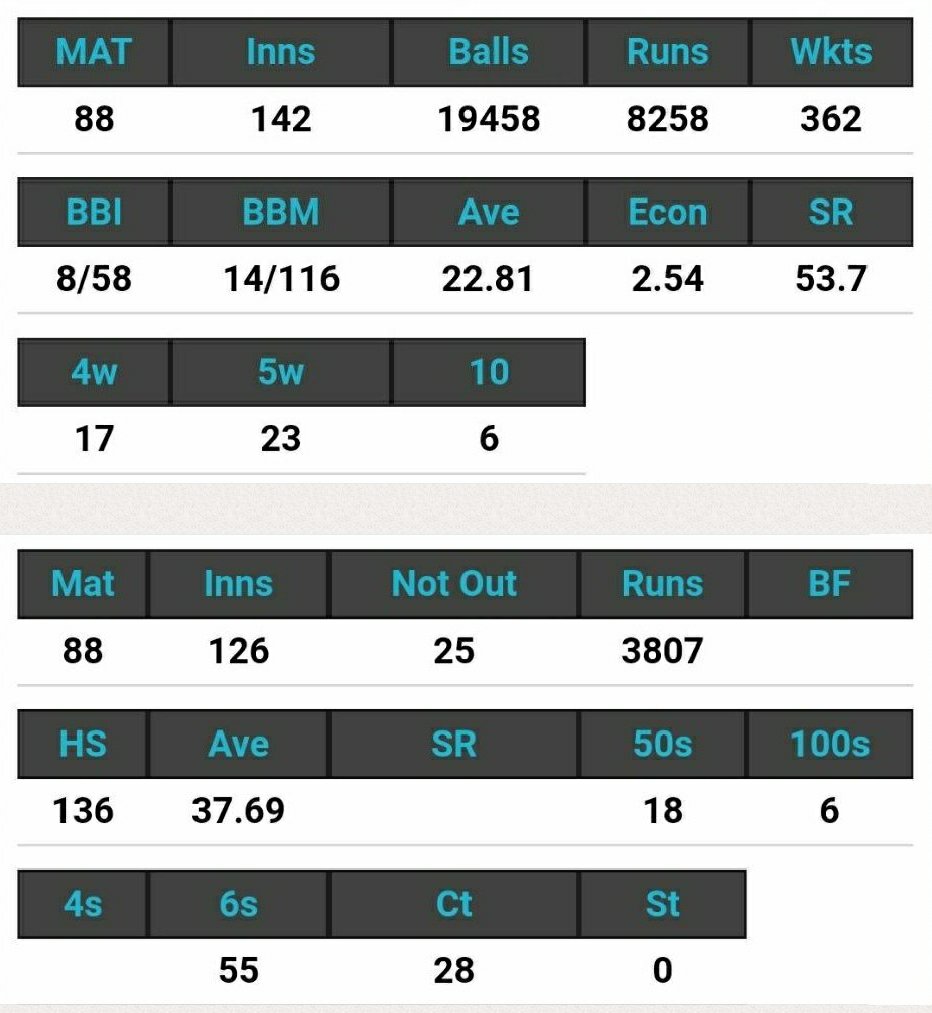
It was as a bowler that he’s best remembered, taking 362 test wickets at an average of 22.81. He was a genuine quick and opened the bowling for Pakistan for many years; he would rate as highly as any bowler from any era.

He finished his test career with an average 37.69, including 6 centuries and 18 half-centuries, becoming one of only eight players to achieve the ‘all-rounders triple’ of 300 wickets and 3000 runs.

There have been few captains in the same class as Khan, and it was his foresight and strategy that helped his Pakistan teams achieve their full potential.
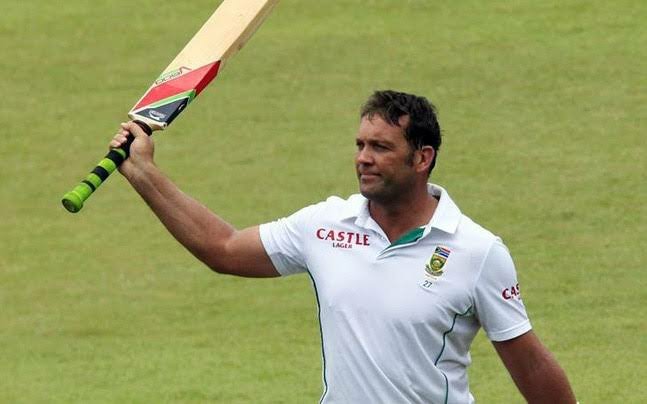
  1. Jacques Kallis

Jacques Kallis is unquestionably the greatest all-rounder of the modern era and rates highly on the all-time list, too.

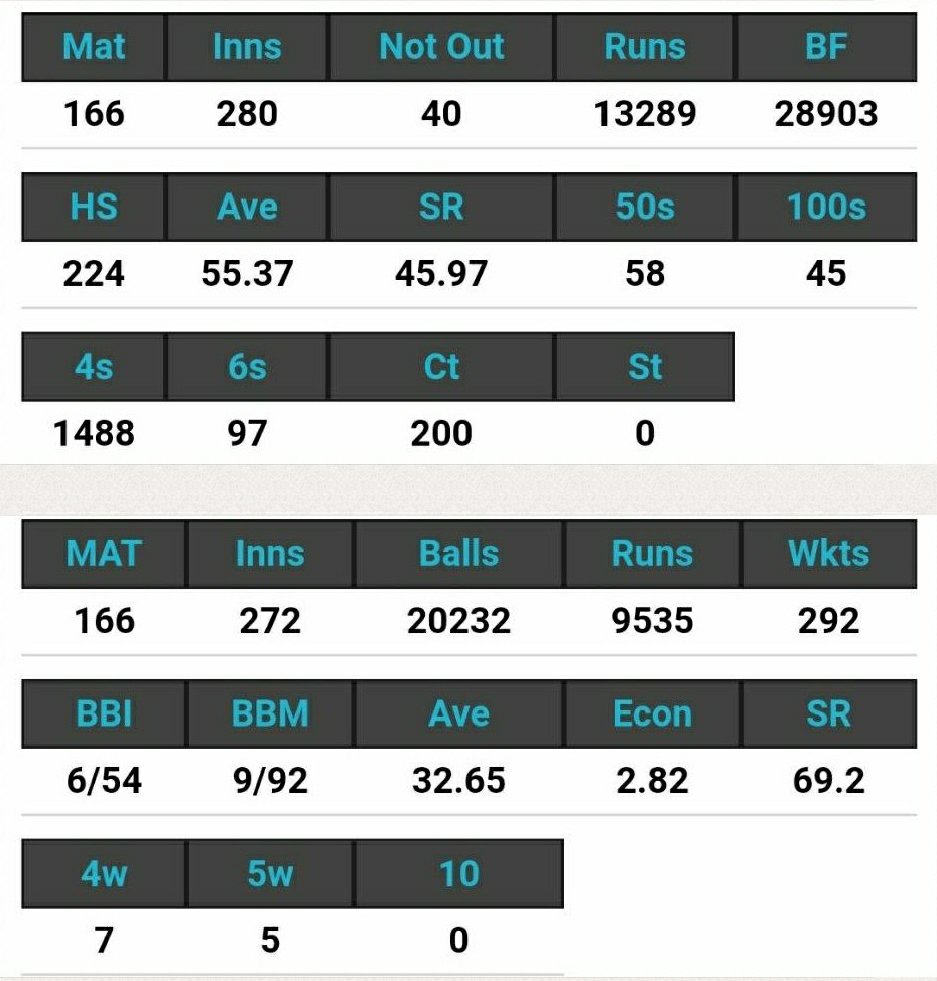
As a batsman, there are few better than Kallis, including 41 centuries and 55 half-centuries.

This average is the highest of any current player, higher than other present day superstars including Sachin Tendulkar, Ricky Ponting and Rahul Dravid.

Unlike most all-rounders, Kallis is a technically proficient batsman. Whilst most all-rounders tend to score their runs in rather unorthodox style, Kallis brings a very classical approach, playing a range of controlled shots. Indeed, there are few harder wickets to take than that of Kallis.

Also a fast-medium bowler, Kallis has taken 274 wickets at an average of just above 32. Whilst this may not rate quite as highly as his batting record, it is still impressive nonetheless, and he would be good enough to make many international sides as a bowler.

As a dear friend of mine has put it correctly, from an Indian prospective: imagine one player having scored as many runs as Rahul Dravid and at the same time as many wickets as Zaheer Khan.. thats Kallis for you!!
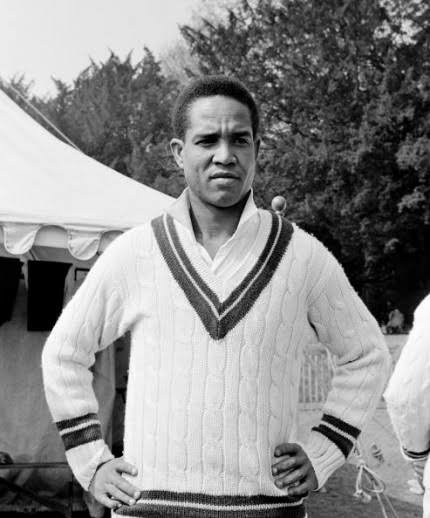
  1. Garfield Sobers

As great as the rest of the players on this list were, few would dispute that Garfield Sobers is the greatest all-rounder of all time.

Like Kallis, Miller and Khan, he was a true all-rounder, a threat with both bat and ball. But what really sets Sobers apart from the rest is the fact that he was essentially three players rolled into one, rather than the two most all-rounders can claim to be.

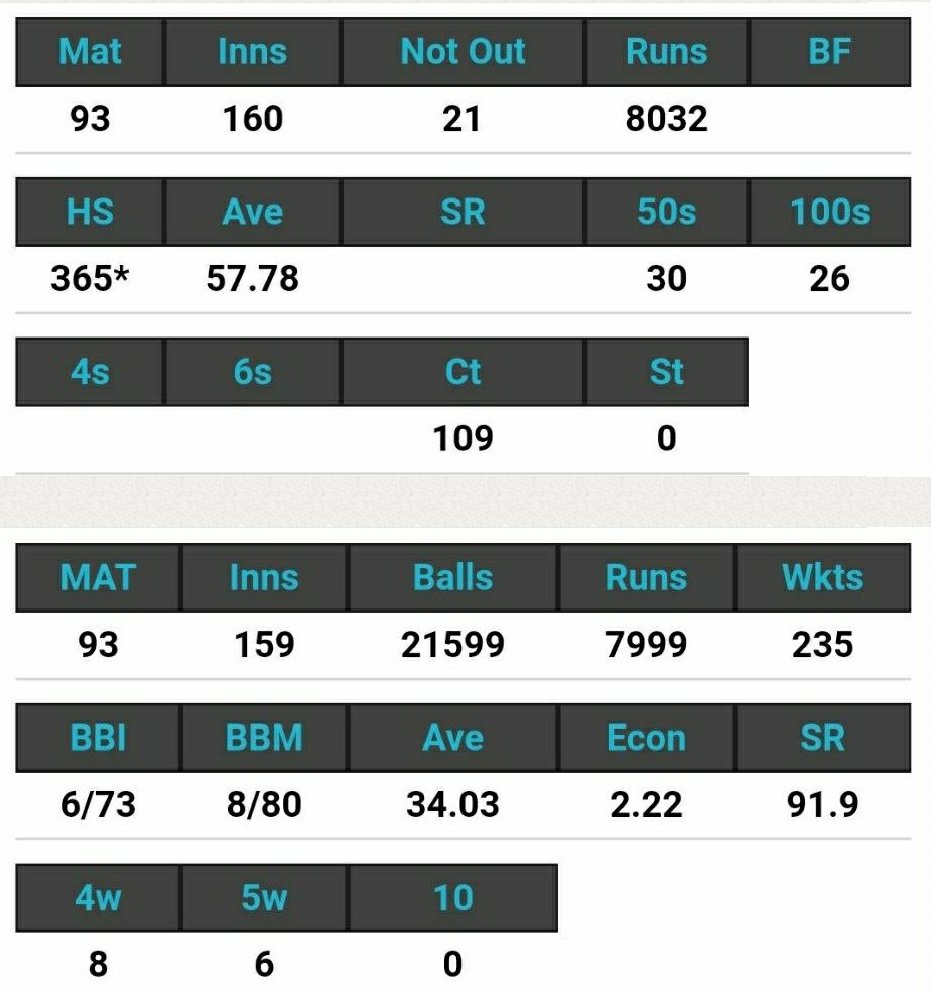
He could bowl both fast-medium and spin, being effective with both. But it was as a spin bowler that Sobers was first picked for the West Indies team, often batting low in the order. He would go on to take 235 wickets at an average of 34.03.

However, as his career developed he continued to work on his batting, which improved to the extent that he is now remembered as one of the finest batsmen of all time.

His average of 57.78 is the 10th-best on the all time list and compares with any batsman in the history of the game, with the exception of the great Sir Donald Bradman.

He scored 26 centuries and 30 half-centuries. But his most famous feat remains the 365 not out he scored in 1958 against Pakistan.

To go with this, he was an excellent fielder and captained the West Indies for many years.

And it is for these reasons that Sir Garry Sobers rates as the greatest all-rounder of all time.
Tell me what you think of the above list and do share your list with me as well.

Source/Courtsey- Google Images, Espn Star Sports, ICC.
Reverse swing, the art on the verge of being lost..

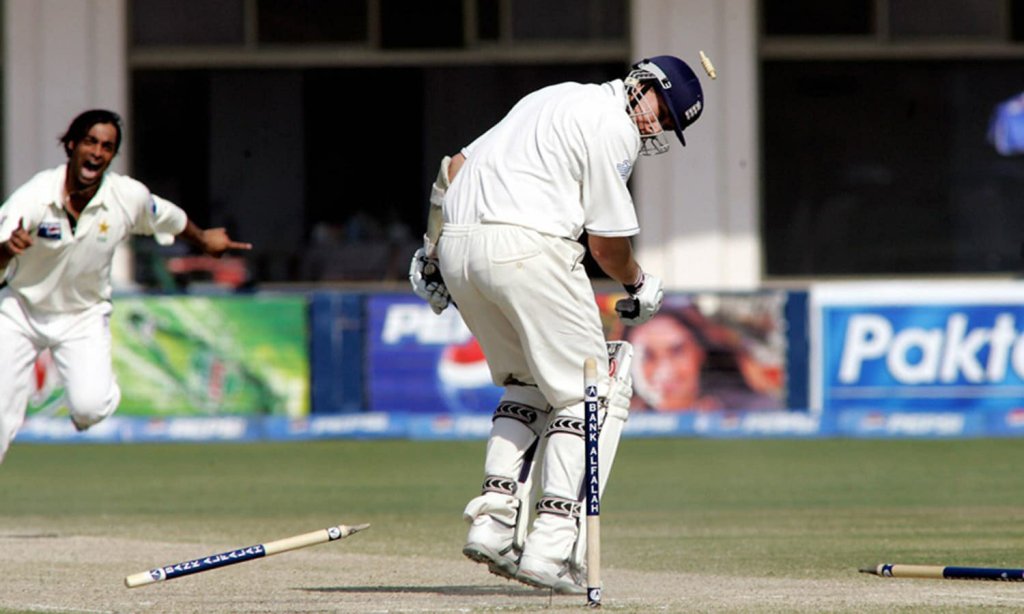
Ever since my growing years of watching cricket, there has been one skill-set which sub-continent bowlers have taken a pride on.. the art of reverse swing. Remember, how Wasim Akram and Waqar Younis, tormented batsmen during the 90’s era with their late in-swinging yorkers.

With the ability to swing the ball upfront with the new ball as well as at the end when the ball was old. Single handedly this acquired skill ensured that the Pakistani fast bowlers have an edge over their counterparts from around the world, who were starting to come to terms with this new arsennel. It is not suprising why the Pakistani fast bowlers during this period became the new king of swing.

Historically however, reverse swing existed from the late 70 era. Sarfraz Nawaz, the lanky fast bowler had stumbled upon this, by accident and passed on his knowledge to the great Imran Khan. Imran Khan through the 80 era perfected this art himself, and then later past it on to the two prodigies Wasim and Waqar. It is the duo of Wasim and Waqar and later on Aqib Javed(a highly underrated bowler at his time), who bamboozled batsmen with their new found skill of swinging the old ball, late. Its only much later on that Indian bowlers like Srinath and Zaheer started using this.

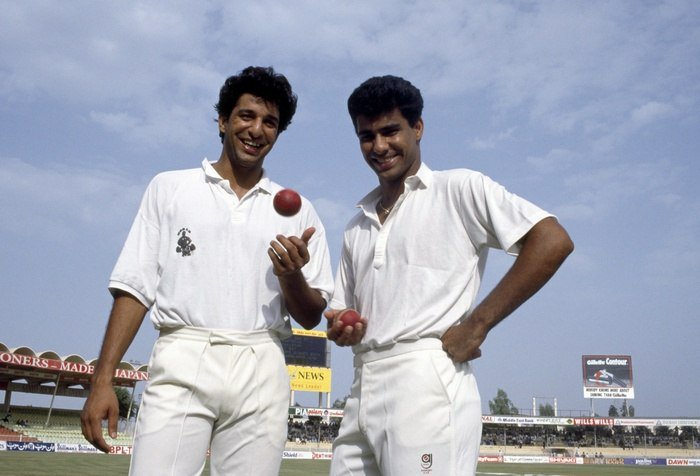
Wasim and Waqar during their early days

The skill lies in making the ball rough on one side, and adding saliva or sweat, to increase the weight on the one side, while keeping the other side shiny. However, with the current situation that we are now faced with, what will be the fate of reverse swing. Will it be a part of history, or will there be innovative use of rules to keep this skill alive.

Most bowlers and international bodies in cricket are picking their minds over, on how to go ahead with bowlers not being able to apply either saliva or sweat to the ball. There are discussions on this subject which is being dealt with at the highest level presently, with a meeting of ICC scheduled in mid May this year.

With the advancement of technology, the game has become more and more advantageous to the batsmen. So much so that some critics have referred cricket as a batsmens game. With bowlers not being able to shine the ball using conventional methods of shining the ball, it is highly unlikely that anology about cricket being a batsmens game will change anytime soon.

Imagine, what fast bowlers world over are going though now. With conventional swing and more so reverse swing possibly going out of the game, swing bowlers the world over need to come up with something so innovative that enables them to swing the ball, without risking the spread of infection.

Never has in the history of world cricket have we had such a crisis, that literally makes swing bowling a thing of the past.. a lost art. No longer will we see those banana inswinging yorkers or those outswingers which turn batsmens side on.

It will be an all time low for all cricket lovers, if swing bowling becomes an art lost in time. Perhaps, cricket administrators would need to address this issue, so that the art of swing bowling stays relevant and the game does not become one-sided, which no true cricket lover wants.

Legalizing ball tamper, making the seam more protruded or making one side of the ball heavy while keeping the other side lighter, are all suggestions which players, administrator and analysers world over are now mulling upon.

What do you think about it. What could we possibly do to keep reverse swing relevant, and not just coventional swing.. Also, who do you rate as the best reverse swing bowler and the best swing bowler of all times.. do share your thoughts.

All time World XI in Test

I have tried to compile a test team, that has played through different eras, in different conditions. The captain for this side was difficult to pick. I have pick a controversial pick leaving some of the knights. Let me know what you think..

1. Sir Jack Hobbs

2. Herbert Sutcliffe

3. Sir Don Bradman

4. Sachin Ramesh Tendulkar

5. Sir Garfield Sobers

6. Jacques Kallis

7. Kumar Sangakara (w)

8. Sir Richard Hadlee

9. Malcolm Marshall

10. Shane Warne (c)

11. Muttiah Muralidharan

All time India XI

As many of us are facing lock downs in their areas during these uncertain times, and with no foreseeable cricket action taking place, I though of playing selector and introducing by best India Test team (for any surface/venue). Do share you thoughts as well.

India XI

1. Sehwag

2. Gavaskar

3. Dravid

4. Tendulkar

5. Ganguly (c)

6. Dhoni

7. Kapil Dev

8. Jadeja

9. Kumble

10. Zaheer Khan

11. Bumrah

Testing times ahead..

With the ODIs’ out of the way now, India will be starting their Test campaign in the Caribbean Islands. Not that it will be the toughest challenge for Team India, but none the less, it will be the start of their World Test Championship campaign.

So how does the line up look like. Young Prithvi Shaw, will be missing out this series, and with Mayank Agarwal performing the way he has, he looks settled to open the batting with KL Rahul. I do feel that India could have also looked at an optional opener along with Rahul. But, having said that, it will be a two match series only. Perhaps with India playing South Africa and Bangladesh at home, and Prithvi suspended till 15 November this year, for doping violation, we may see the likes of Vihari or Gill given the nod.

Subhman Gill in Ranji Cricket, so far – Source : ESPN Cricinfo.

Ok, let move on then, no.3 and no.4 in Test matches has possibly been India’s batting back bone for the last couple of years at least, if not more. Pujara and Virat, will look to plunder most of the runs, and thankfully this time will get some support from Mayank at the top of the order. Rahul as an opener has never inspired confidence in me. Subhman Gill may be young but it is difficult to not talk about a man who is presently holding a staggering batting average of 83+ in Ranji cricket. it is difficult to hold a talent like him back, if it is not criminal. Amongst the top 4 I dont see any change taking place, in this series at least. Although, I would love to see young Gill open the bat.

Ok, so what about no. 5, 6? Two very critical positions, which probably is the most open position currently, in this Team. We need a solid number 5 currently, and there are good pedegry options available. Rahane, Rohit or Vihari.. I feel Rahane has been a superb player for India without getting much credit for what he has done. Whenever there has been a crisis moment, he has turned out to be the SOS man for India. I love watching Rohit bat, and there is a reason why I used the word pedegry. In white ball cricket this year, he has played like the only person who can be more devastating yet consistent than Kohli. No other batsman has come close to his clean hitting, except perhaps Ross Taylor for the last two to three years, and Mr. Kohli. Now interestingly, although Rohit has had a great year of white ball cricket, he may still not make the cut to the playing 11. Emotions kept aside, I love Rohit Sharma bat, but i dont know how effective he would be at no 5, playing either spinners with the old ball or seamers with the second new ball. I feel that a number five in Test matches should have a technique that matches that of an opening batsman, and yet should have the ability to play with the tail and occupy a lot of overs. This is where i feel Vihari could be a good pick. Also, he is handy off spinner and can fill in a few overs of off spin. Vihari definately is india’s future 5 or 6. but at present i think i will still go with Rahane. He is class player.

No. 6 should see Pant coming in. Perhaps, India might bring in Saha for the SA tour of India. Although, I believe Saha is the world’s best wicket keeper at present, but Pant being a left hander and perhaps a more established batsman may get a nod before. I will be genuinely happy to see Saha done the gloves, and see a good keeper manning behind the stumps, rather than Pant mismanaging his takes behind the stumps, as a result of bad technique with the gloves. He is entertaining with his banter though. Saha is all class with the gloves, but with age now not on his side, he may well have to sit out. If he does, it will be unfortunate.

Moving on to the bowlers, all-rounders. India has in Ashwin and Jadeja, two quality spinners and two genuine all rounders in Test match cricket. Hardik Pandya is good, and perhaps is India’s second best seamer allrounder post Kapil Dev. I am no way comparing him with Kapil Dev. But is true that there does not appear to be any other promising allrounder as a seamer, in India. In fact there has been Manoj Prabhakar, and all I am saying is that Hardik Pandya may just be a notch better than Prabhakar. On his day, Hardik can create hovoc with the bat and likewise he is starting to bowl more like a bowler these days, which is refreshing to see. However, if India need two quality spin options, which looks like the case, there is no replacing Ashwin, Jaddu. So, Jaddu at 7 and Ashwin at 8. I am ok with the other way around as well. But would like to see Jaddu bat before Ashwin.

Facts and Trivia- Did you know in Ranji cricket, Jaddu averages 46+ with 3 triple centuries and is just 0.5 runs less per match than what KL Rahul scores, who averages 47. you can read my article on Jadeja and share your views with me. Jadeja, for me is the batsmen we have yet unleashed in International cricket.

So that leaves us with three spots, 9,10 and 11. With the last three spots, we come to the most secured slots in the line up in away tours. Ishant, Shami, Bumrah (ISB). The three have transformed not just India’s bowling department, but also Indian cricket as a whole. This is the first time ever when the bowling has overshadowed the batting. In present day cricket the trio is perhaps the best in the world of fast bowling and add Ashwin and Juddu to the mix, it is a leathal force that West Indies need to face come 22nd August.

Ok then. So here is a look at my best eleven:

1 Mayank Agarwal; 2 KL Rahul; 3 Pujara; 4 Kohli; 5 Rahane; 6 Pant; 7 Jadeja; 8 Ashwin; 9 Ishant; 10 Shami; 11 Bumrah

Let me know if you agree, or share your best combination

The curious case of no. 4..

India has been blessed with an excellent middle order for the last 2 decades. The likes of Dhoni, Yuvraj, Raina, Kaif, Rahane, has made the batting middle order look solid. This keeping in mind that our top three for the last 20 years or so, has been the best in the world. the likes of Tendulkar, Sehwag, Ganguly, Dravid and more recently, Gambhir, Rohit, Shikhar and Kohli, makes the battling line up strong and accomplished.

Perhaps with the advent of more and more T20s being played, and change in rules that have favoured batsmen, in general, the most notable diffierence that we have seen is the strikerates going up and also averages touching the roof. Consider Yuvraj Singh, whom i would rate as India’s best ODI no. 4 batsman in history, finished the game with an average of 36 odd.

In todays’ day and age an average of 36 would probably challange your place in the side. Anything below the average of 40 these days is considered mediocre. It is therefore a huge concern for India and its fans to see that in the middle overs, once dhoni retires from cricket, we will not have any experience in slots 4, 5, 6. I am also not considering Kedar, who has been a great asset for India, as he sits at the wrong side of the fence, age-wise, at 34.

Shreyas Iyer, K L Rahul, Subhman Gill, Pant, Manish Pandey, Dinesh Kartik would be the likely contenders to fill in these spots. infact of these names Shubman Gill and K L Rahul, along with Mayank Agarwal and Prithvi Shaw, would ideally be more suited at the top of the order. But with Shikhar, Rohit and Virat, performing at their peak, these players have had to settle down with in the middle order. Infact, even Pant, who still remains an enigma, is also a good hitter, and has a game more suited post the 40 over mark. Also, Manish Pandey, who has also been given a go ahead, has been only ok so far, but again lacks the consistancy that we would need at the number 4 slot.

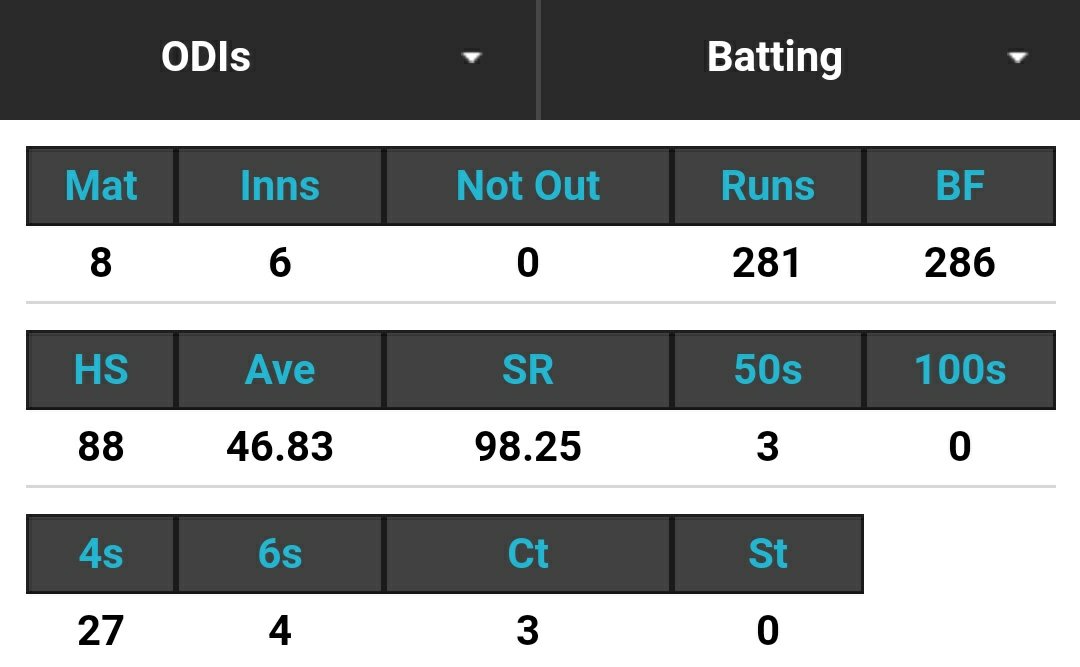
That leaves us with only Shreyas Iyer, who has played only 5 ODIs innings, prior to the ongoing tour of WI. For some strange reasons after coming on the scene, and manageing to score swiftly at almost a run a ball, with an average of 42+ and with 2 fifty plus scores (out of the 5 innings he was tried out), he has had to sit out of the playing eleven for 27 straight ODI games!

Extremely strange is his case, in which he is getting a game in after almost a one and a half year of lay off. Not that we had any other batsman who has made his mark at no. 4. The funny part here is that even when Rayadu was not considered, we tried Vijay Shankar, K L Rahul, Pant and even Hardik Pandiya at the number 4 slot. There appears to be not one single batsman post Yuvraj (who has retired now), who has made the number 4 position, his own. between 2017 and 2018, Rayadu was given an extended run. But in 2019, post the Australia tour, was dropped from the team, possibly owing to his slow strike rate.

So what are the virtues of a desirable number four and who at present would be the best number four batsman in the world. Amongst the players who are presently playing the game I have opted for Ross Taylor, Ean Morgan and Faf du Plasis as the best number 4 batsman. The three not just are classy pure batsman, but have seldom played rash shots, have almost always settled the ship and to add to that they also have the gift of taking the batting deep and playing around all rounders and hitters to follow.

For me I think apart the above virtues, which also come with experiece, there are some technical qualities that a good number four should have. The ability to rotate strike well, a good strike rate, being able to play spinners and pacers equally well, consistancy in scoring runs, the ability to take the innings deeper and accelerating at the end, are the technical aspects that a dream number four should have. Currently, I rate Ross Taylor as the best number 4 batsman in world cricket.

Of the present crop of Indian batsmen, the only batsman who comes close to each of these qualities, is Sreyas Iyer. It is a real waste of his talent, that he has not been given more game time, unexplainable.

ODI Batting record of Sreyas Iyer- Source ESPN Cricinfo
The last inning of 71 against the West Indies, where he came at no. 5, makes his position settled in the team. I would bat him at number four, followed by Kedar, Pant or Jadeja at number 5, 6 and 7, depending on the situation. I have kept the option ope

n for Jadeja to come in at number 5 as well. Going by his recent batting form, and knowing what is capable of, Jadeja, Pant can interchange their positions or come in at no. 5, based on requirement. Keder possibly would almost in all cases come at number 5, unless a left hander is required to unsettle things at no. 5. Also, when Hardik is back, I would let him loose at the last 5 to 7 overs mark.

So in terms of the present crop of players in ODI, I think the best combination would be, 1. Rohit, 2. Shikhar (Rahul/Gill as back up to the openers), 3. Virat Kohli, 4. Shreyas Iyer (Manoj Pandey or Gill as back up to no. 3 and 4), 5. Jadhav, 6. Pant, 7. Jadeja, 8. Hardik Pandya (Krunal Pandya as back up), 9. Bhuvaneshwar/Shami, 10. Kuldeep/Chahar, 11. Bumrah.

What would be your dream eleven?

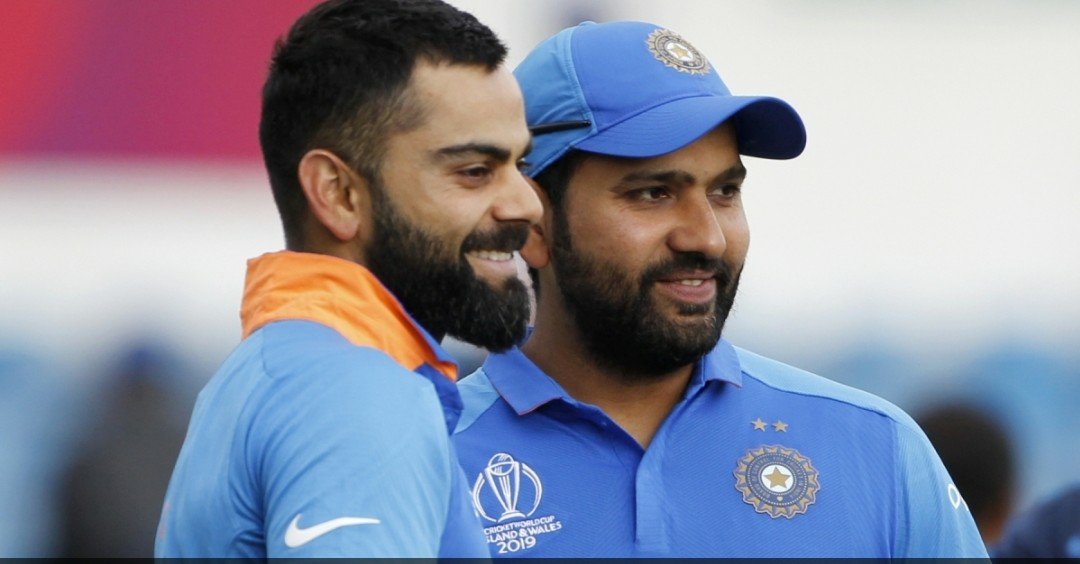
Virat or Rohit.. the better captain.

Source- Google images.

Rohit Sharma, India’s very own ‘Hitman’ at the top of the order, started playing for team India ODI and T20 side from 2007. This, if you recollect, was the same year when Dhoni was handed over the reins of captaincy of the Indian T20 Cricket team. The then Indian team under Dhoni ushered in an era of cricketers who were young, ambitious, hungry, and most importantly non regulars to the side. Back then, Rohit Sharma was all of 20 years old, and he walked out along side his captain Dhoni (who was 26 years old) and his young brigade. This team, which was sent for the first International T20 World Cup, did not have one single player above thirty. The oldest member in this team was Ajit Agarkar, who was 29. Interestingly, back then Virat Kohli had not yet played for India, while Rohit had already broken through the India Senior ODI and T20 team. Virat Kohli of course, made his India ODI debut, the next year against Sri Lanka, and thereafter made his T20 debut for the national side as late as 2010!! Resume wise, if I may interpret, Rohit in T20 has 3 years additional prior experience to Virat.

Rohit, did not make a huge impact when he came into the scene. He was dropped in 2011, after a series of failures to convert starts. On one hand, he was compared to be the next best thing to Tendulkar that emerged out of the Bombay bastion. His talent was raw, and was for all to see. On the other hand, he would squander away one chance after the other, in converting starts to bigger scores. Thereby frustrating the viewers as well as the selectors.

It was only in the Champions Trophy in 2013, when he was picked again, this time as an opener. This is when his cricketing career took a strategic turn, and ever since that he has never looked back.

Source- ESPN Cricinfo

It is interesting to note here that Rohit who has played 95 T20 matches, has played around 25 more matches than Virat Kolhi, who has played 70 T20 matches. In fact, amongst the present crop of players who represent India in T20, Rohit and Dhoni remain the only players who have played the 2007 T20 world cup.

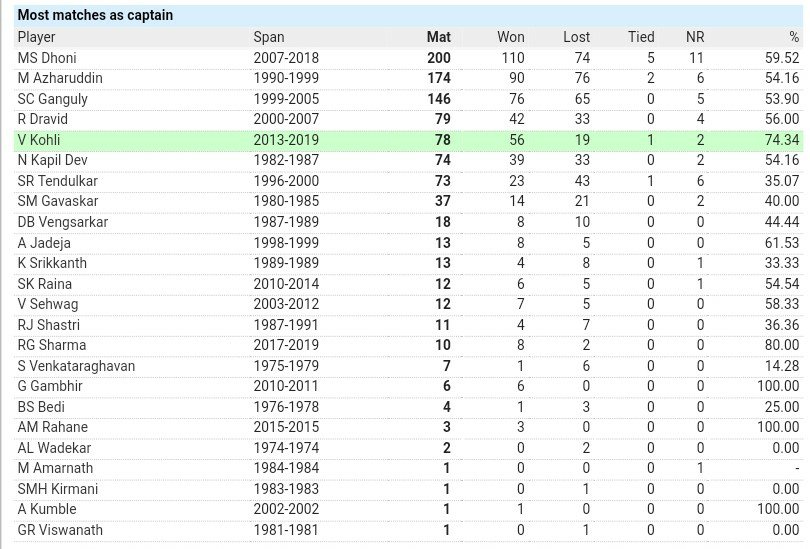
Virat Kohli, the greatest talent that India has produced post Tendulkar, at present, captains all the three formats for the Indian men’s cricket team. As a batsman he is a legend like Tendulkar was a pre 2010. But unlike Tendulkar, Virat has been a very successful captain. Captaincy came to him as a gift though, when in 2014, after India winning the Test championship and being ranked numero uno, Dhoni at 33 years retired from Test matches, to everyone’s surprise and handed over the captaincy to Virat who was at the time his deputy.

Source- Cricinfo

Dhoni, went on to play only ODI and T20 cricket, and it became apparent that Virat will take over in all formats at some point of time. To be fair, that perhaps was the correct decision and in terms of the wins that India has had under Virat Kohli, it has taken the team from being a dark horse or an under dog to teams like Australia, South Africa and England, to becoming a force to reckon with. Today India is perhaps the most consistent side to play the game across formats.

However, there has also been some criticism on how they have failed to win multilateral tournaments, after being in very strong positions. Some would say that India has taken over the tag of chokers from South Africa, and although at times I feel its too early to say that, but the trend for the past 4 years has been very alarming.

Rohit, on the other hand, has made all the right notes and points to suggest that he has a good head on his shoulders. Not so long ago, his suggestion of bringing Dhoni at no.4, could have solved the issue for India if his opinion was seriously taken. It could have resulted in India sending a settled side into the World Cup this year. Although Rohit’s point on Dhoni did not go in sync with the management or Virat, his sharp cricketing thinking was there for all of us to see.

Rohit Sharma, continues to rake in the runs in white ball cricket, ever since his return in 2013. He has the record for the highest individual score in ODI cricket (264), has the highest number of double centuries in ODI (3), the fastest century in T20 cricket (35 balls), record number of hundreds in T20 (4), the best strike rate of scoring centuries (per 5.55 innings) amongst all openers in the history of ODI cricket, etc, etc. Recently, he also bagged the record of scoring the highest number of centuries in a single world cup (5).

It is can be argued that the decision to bring Kolhi in as captain, after Dhoni, was a pure cricketing decision. However, it is a fact that people in the marketing space consider Virat as a blue eyed boy, while Rohit, even today, despite his exploits has hardly bagged any lucrative endorsements. Even RL Rahul appear to have better endorsements than Rohit!! Kohli with his exeburance of passion and aggression make him a better marketing tool than Rohit who appears more calm and flat. Perhaps, the decision to delay looking at Rohit as a permanent captain in white ball cricket, has been influenced by external factors beyond the cricketing boundaries, metaphorically speaking.

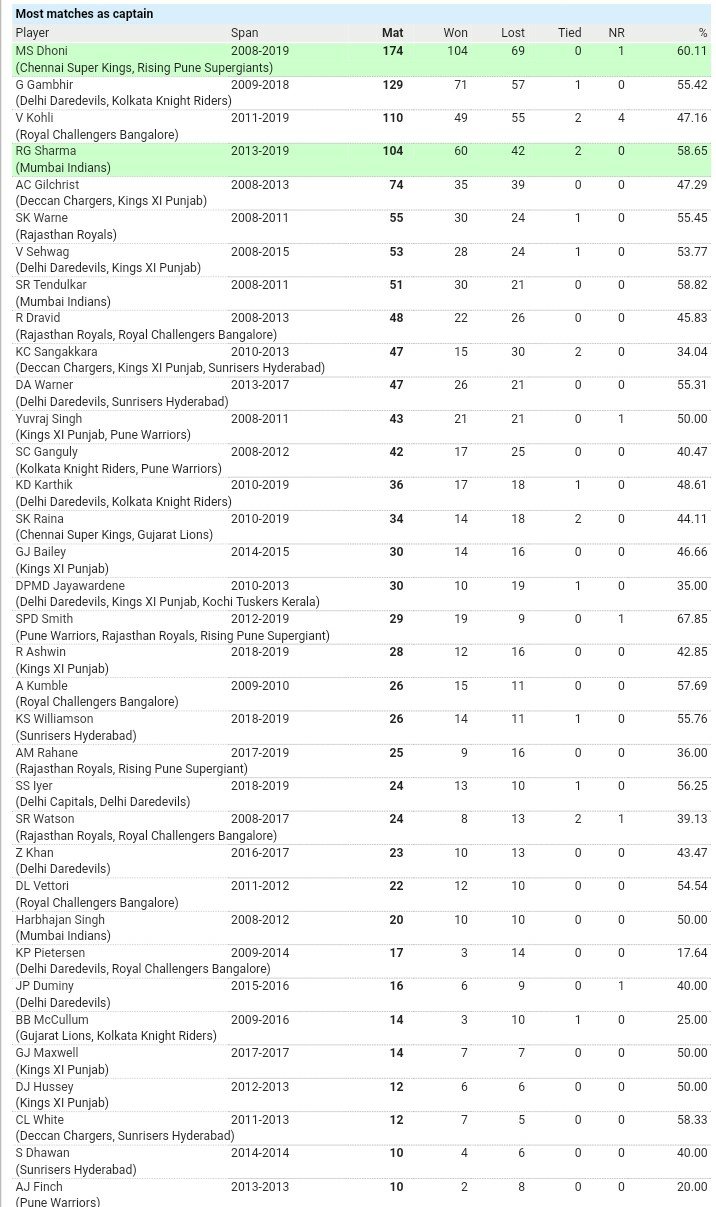
This year when he won the IPL for Mumbai, he added one more feather to his cap as being the only captain to have won 4 editions. Not only has he won the tournament a record number of times, he also showed us how astute he has been in bringing up good talent. He has made good team selections, and not to forget, how calm he has been during stressful situations.

Source- ESPN Cricinfo

Interestingly, his record as a captain in International cricket has been exemplary. He has not just won 80% of the matches (ODI and T20) but has also won two multinational silverware, in the form of the Nidihas trophy and the Asia Cup in the recent past.

In fact, such has been the dismal form of team India in winning multilateral tournaments, and in ICC events, that these silverware that Rohit has won, are possibly the only ones that India has won post 2015. It must be said that having Rohit as a stand by skipper to Virat has showed to us that he definitely has the knack of winning as a captain, and of managing and marshalling his resources pretty well. It is a mystery why he has not yet been handed over a permanent captaincy role at least in one of the formats. The most likely format appears to be the T20 format. In fact, if the rumours which are going around are correct, Rohit might not need to wait for a long time to take over the captaincy role from Virat.

Source- ESPN Cricinfo

If we are to prepare the side well for the coming T20 World Cup, the first and immediate step should be to give Rohit a permanent run as a captain. After all, he has played in 15 T20 matches as the captain of the side, and has managed to win 12 out of them. This is only 3 wins less than what Kohli has managed, and in 10 matches fewer than what Kohli has played as captain!!

Also, with the team management undergoing a shuffle, it feels like the correct time to give this hand over to the Hitman. Now with the T20 World Cup almost a year away, it remains to be seen whether Kohli will chose to walk with his team as a captain or walk on to the field for his country. Perhaps that is what Rohit was trying to imply after all, ‘I dont just walk out for my team, I walk out for my country’.

The Yellow Sand Paper..

Source- Google

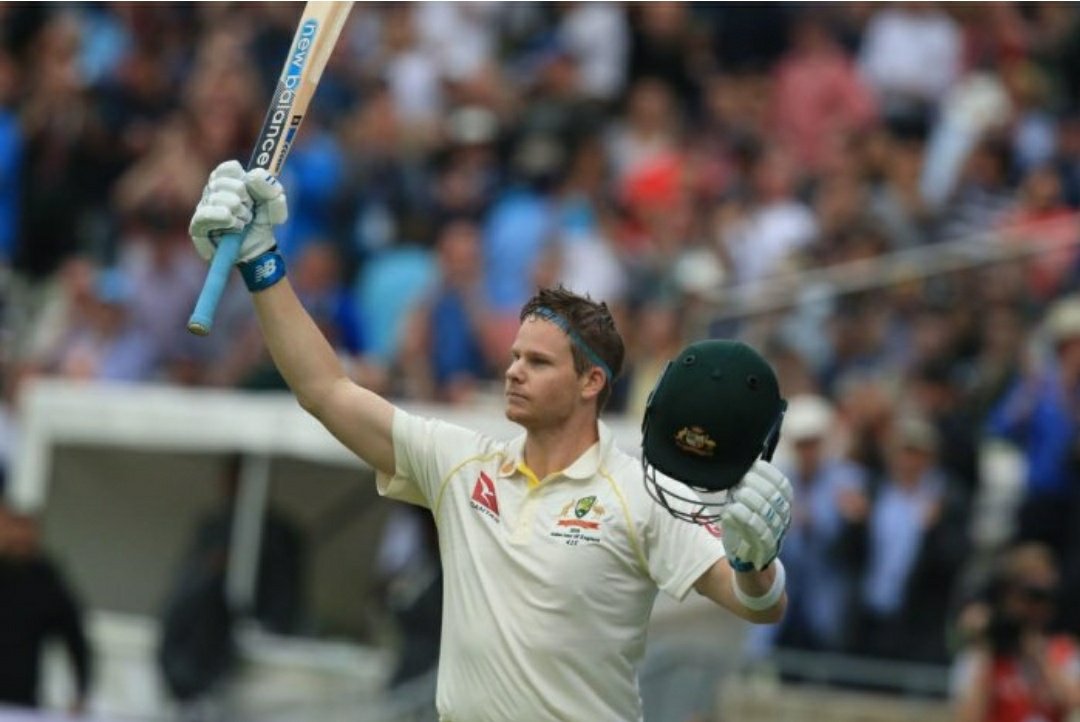
Steven Smith, after being suspended along with Warner and Bencroft in the controversial ball tampering incident, is back with a bang.. and how.

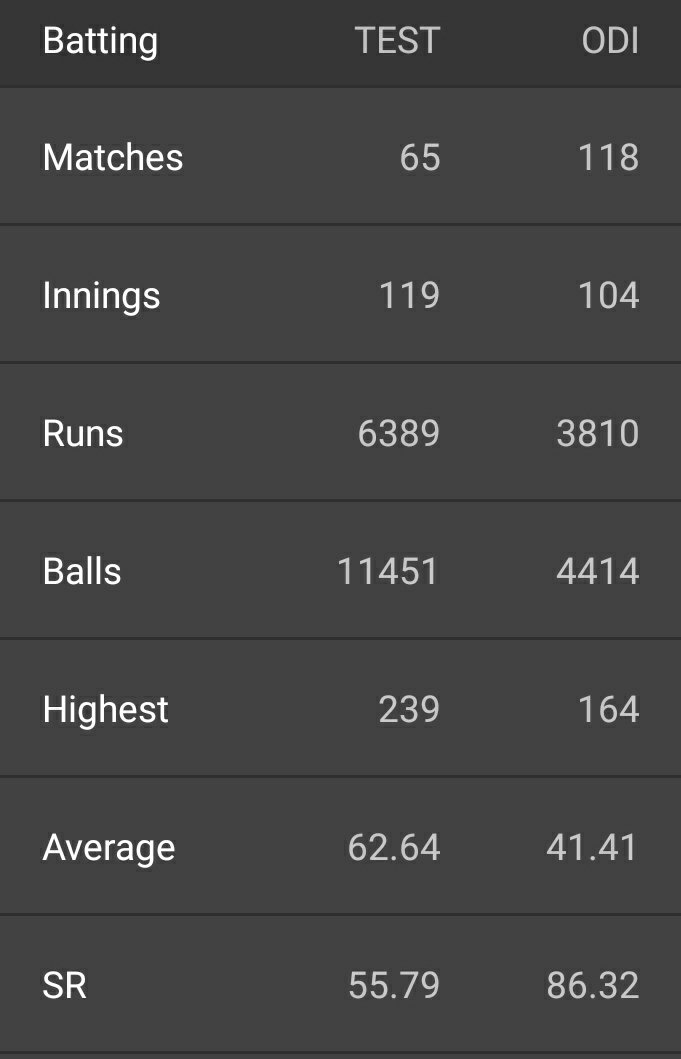
The Gods must have looked upon him and allowed him to display to all of us his greatness, one more time. Last week when he scored a magnificent 144 against a strong English bowling attack, one must have wondered if he is the second greatest test batsman to play the game, after Sir Don himself.

Steve Smith Test batting record

Source- Cricbuzz

The innings appeared to be a work of art, and similar to the one that Kohli played early this year against the same English attack, where he batted with the tail and knotched up, what one would rank, one of modern times greatest innings.

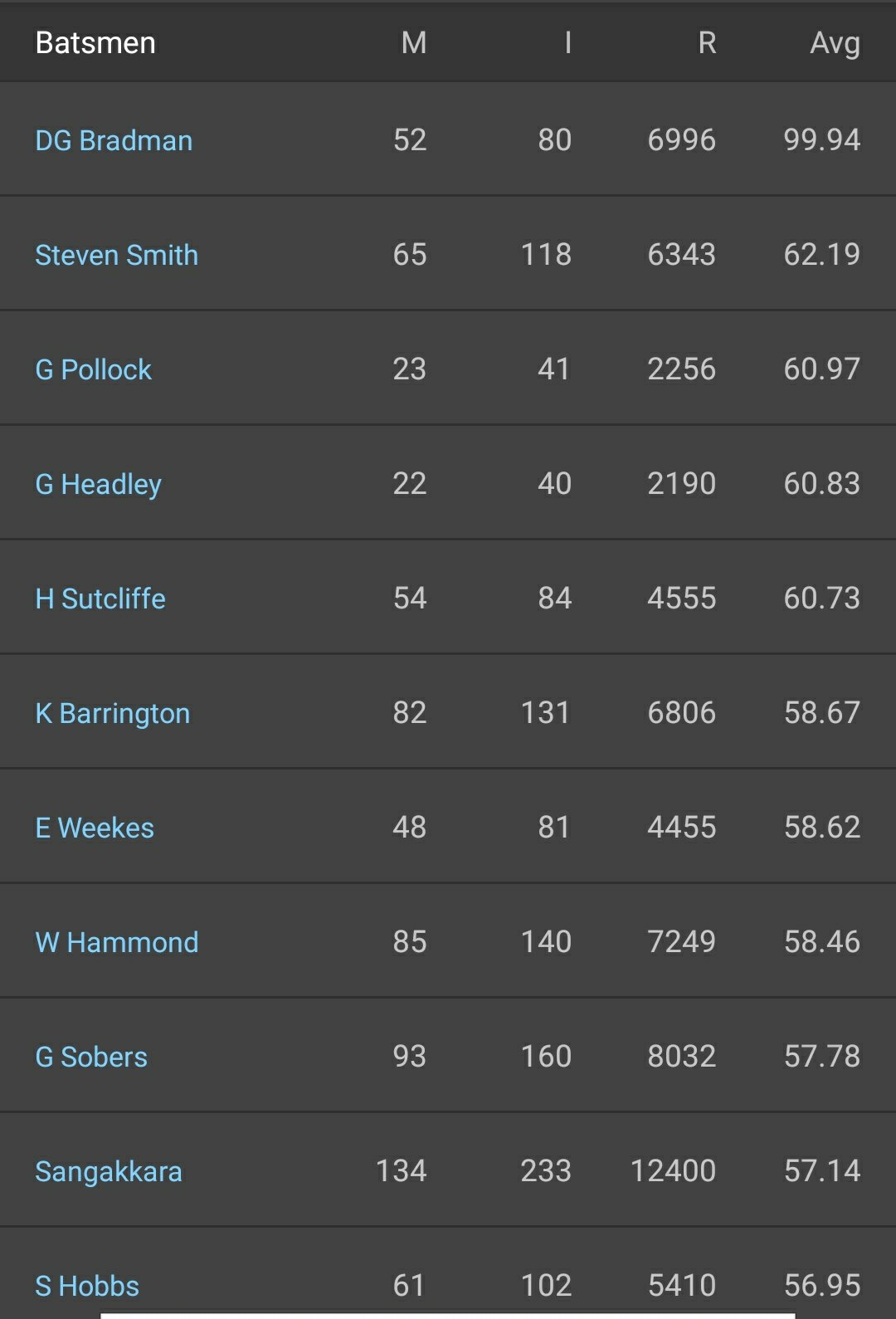
So where can we place Smith amongst the all time greats. Looking at his average and comparing it with batsmen who have played the game (test cricket) so far, he comes in second only to the Don himself. However, he is mostly in the company of the pre-war era cricketing greats who were exposed to play only the purest form of cricket, Test matches. I thought it would be only fair to compare Smith with players who have played both tests as well as ODI.

The names that I came across of players, to my surprise, were greats whom I had considered classy batsmen but never had imagined them to be legends of batting. They seem to have quietly accumulated the runs and piled on those hundreds without anyone ever noticing it. Amongst many of these names I have taken Sangakara and Kallis.

Source- Cricbuzz

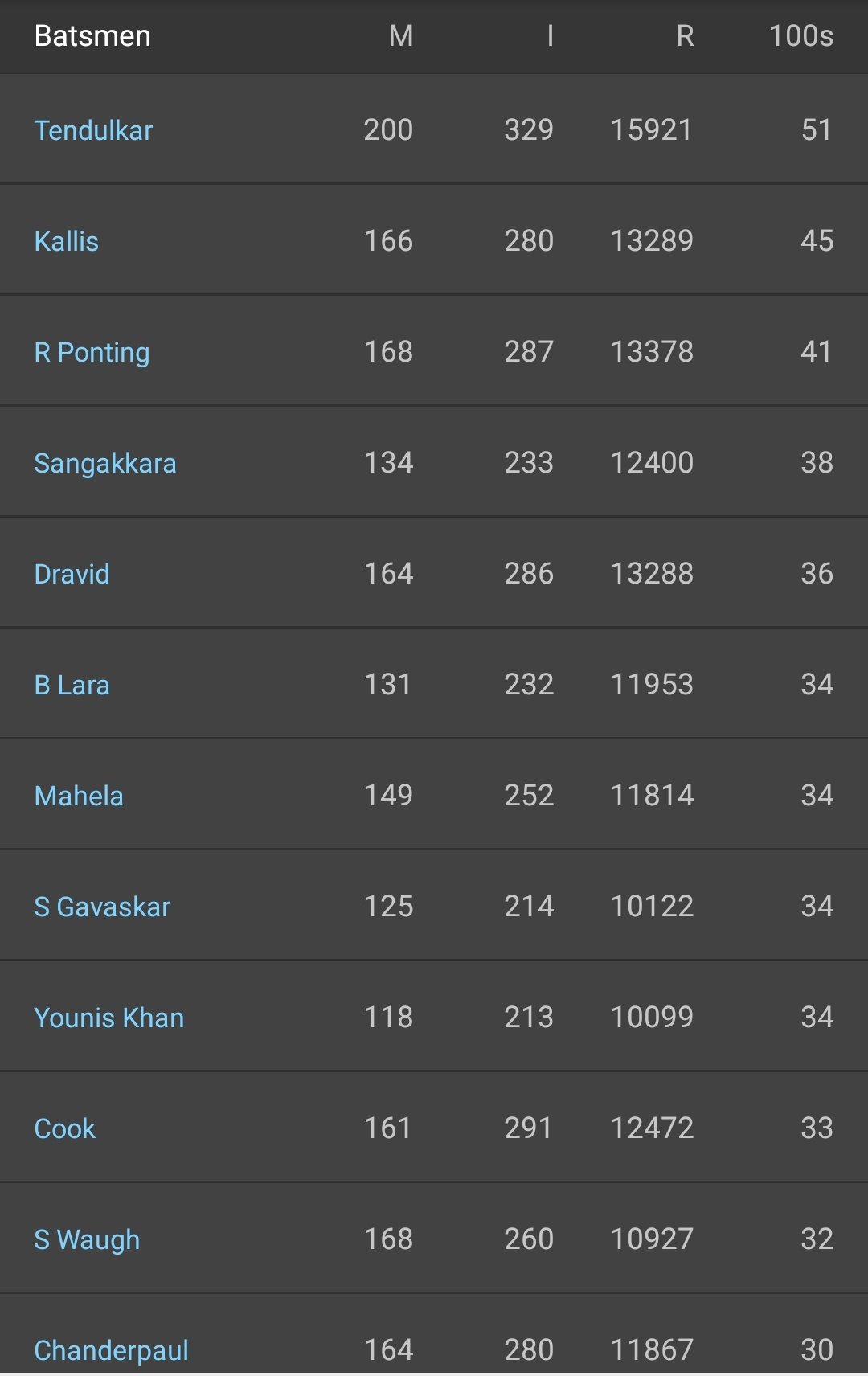
Perception wise I would have jumped the gun and taken Tendulkar, Ponting, Dravid and Lara and done a compare of their records with Smith’s tally. But in terms of the sheer runs that Smith has amassed in test matches and with the average that he possesses, there seems to be a gap to be bridged.

Kallis and Sangakara have immaculate records in test match and ODI cricket. Both have scored over 10,000 runs in both formats and have numbers which once a person takes note of, cannot ignore as to how astronomical their records are.

Source- Cricbuzz

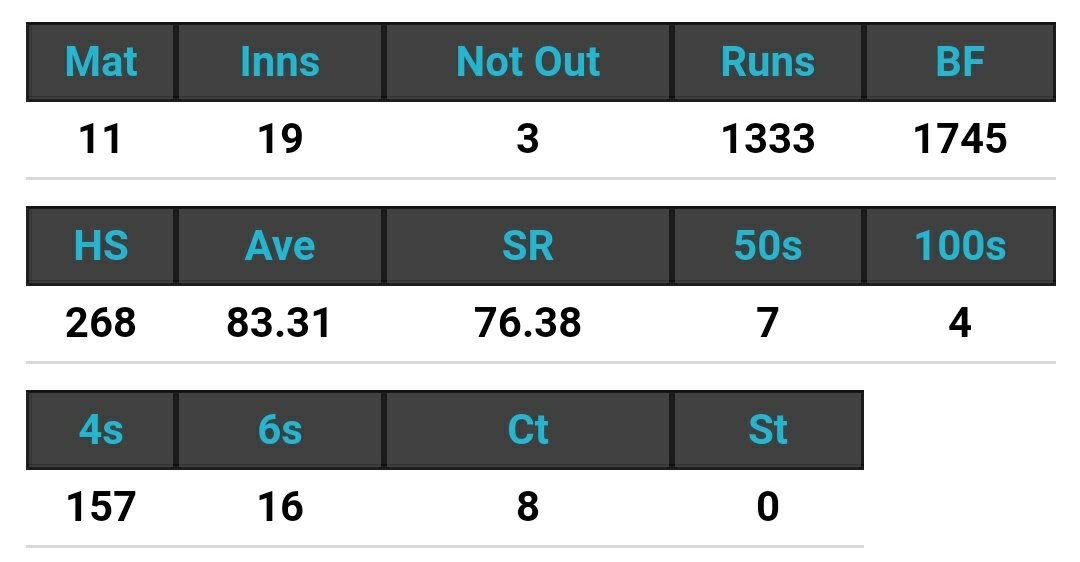
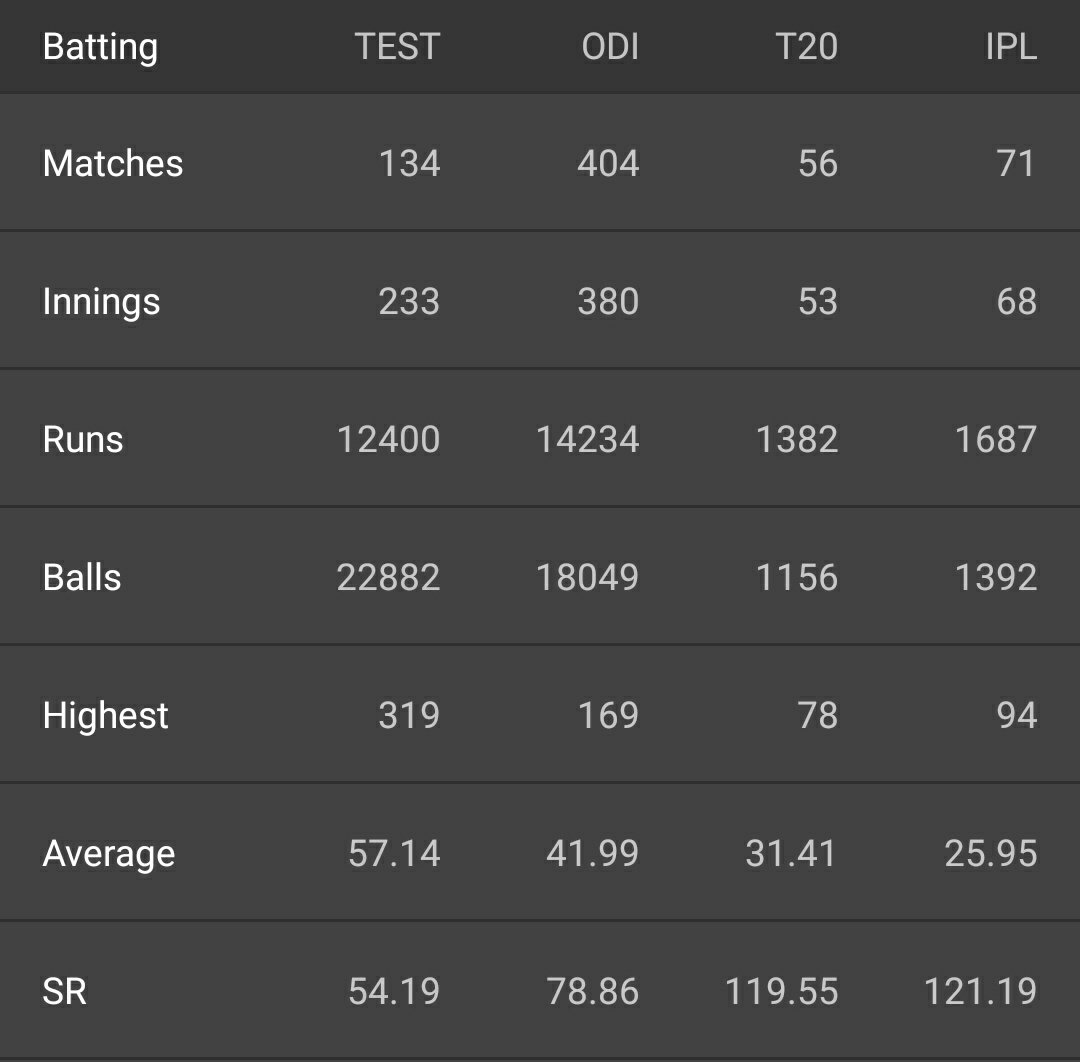
Sangakara, is a modern legend coming out of the small island country of Sri Lanka. His average of 57+ in test cricket is the highest amongst all batsmen to have played test match cricket and who have scored above 10000 runs. In combination of ODI cricket and test match cricket, he is amongst the only three batsman (along with Tendulkar, Ponting) to have scored above 25k runs in both formats. With 38 hundreds in test matches, he is at no.4 in the all time list of highest no. of hundreds scored in test matches. The interesting part is that he has also scored these tonnes at a very good rate. He has taken 233 innings to score 38 hundreds. Ponting who has scored 41 hundreds has taken around 50 more innings. He has also scored 14234 runs in ODI cricket, and is the second highest run getter of all times. I think, he is perhaps the most underrated batsman amongst the greats. Perhaps the future generations who would follow the game, would rightfully give him the tag of a legend.

Kumar Sangakara’s batting stats
Source- Cricbuzz

Lets also look at what Kallis has achieved in his celebrated career. Kallis, who perhaps would be the greatest all-rounder the game has ever seen, has been playing his game with the likes of Tendulkar, Ponting, and Lara. Little has been spoken about how great a batsman he was. His ability as an all-rounder has always overshadowed his greatest gift, batting. He has scored 13000 runs with average of 55+ in test match cricket. He is also second (after Tendulkar) in terms of the most centuries made in test match cricket. He has made 45 hundreds, only 6 short of Tendulkar’s feat of 51 hundreds!!

Like Sangakara, he has almost silently and seamlessly amassed the mammoth number of runs, but has almost never been in the limelight for his batting prowess. He has only narrowly missed out in making 25,000 runs in aggregate, in both the formats together. However, his career average of 55+ in test match cricket, keeps him in second place (only after Sangakara, who has an average of 57+) among batsman who have scored above 10,000 runs. Interestingly, Tendulkar is at the third spot in this list and is followed by Lara in the fourth spot.

J. Kallis batting stats
Source- Cricbuzz

Now then, what about Tendulkar. India’s god of cricket and no discussion or dialogue can take place about cricket in India, without paying homage to this great man of the modern era. For a lot of us we can only associate Tendulkar to be the best batsman to play the game after Sir Don, which no matter how biased I am to Tendulkar, I would agree to as much. However, just to clarify, we are talking about test matches only. Tendulkar, for me is an automatic choice of being the best batsman in history to have played ODI cricket. Perhaps only Kohli who has an astonishing average of almost 60 in ODI cricket, comes as a close second. Tendulkar is to ODI cricket what Sir Don was to test matches. However, in test matches, with an average of around 53, he is almost 10 runs apart per innings with Smith who averages 62+ per innings. This is the same reason why I have not discussed about Lara or Ponting as well.

At present in world cricket we have gifted players like Williamson, Kohli, and Root as well. So, the question could be asked if it is better to compare the four of the same generation. However, I wanted to stack up only test records, where Smith (in test cricket) for a while now has been the best batsman in the world by a stretch. If one were to look at the best batsmen in ODI and test matches, together, then at present Kohli might be the clear leader of the pack, simply because of his ODI record.

So, the question I ask to you is how good is Smith.. Well, for me, with the way Smith has performed in test match cricket, for years now, I think we can now start whispering that he is a legend in the making and perhaps the best batsman in test match cricket after Sir Don himself. Perhaps if his consistency and class remains and he continues to play the game being fit, we can in a couple of years give the above statement a shout as well.

Please share your comments below and hit the star icon, if you have enjoyed this blog.

Jaddu…

Google image

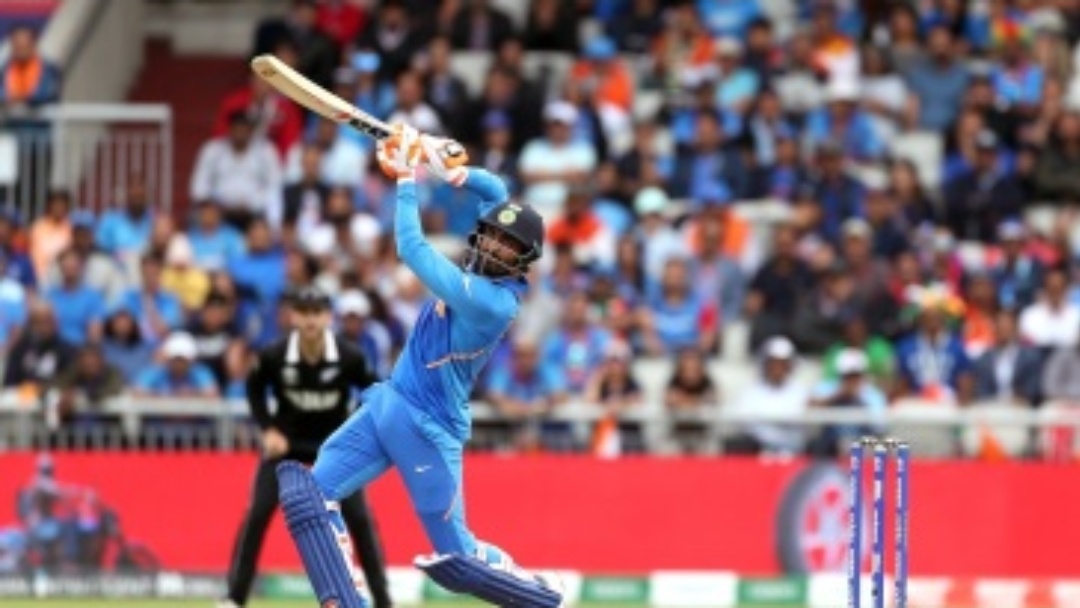
Ravindra Jadeja also fondly called as ‘Jaddu’, almost made the impossible possible by stroking a timely knock against New Zealand during the semi finals of the 2019 men’s cricket world cup.

I wondered how he would compare to Ravi Shastri or Manoj Prabhak or the likes. For a moment it came to my mind that there has been no one since Kapil Dev who has taken India to a win both with the ball and with the bat.

It is difficult to think that after Kapil Dev, who with the bat stroked a 175 (not out) against Zimbabwe, in a world cup match, and saved India’s batting effort and allowed the team to post a respectable score, which was then successfully defended by India for a winning cause. With the ball he is perhaps amongst the best of the three seam bowlers India has produced, along with Zaheer, Srinath. (P.S. some would argue that Bumrah should also be counted in this class.)

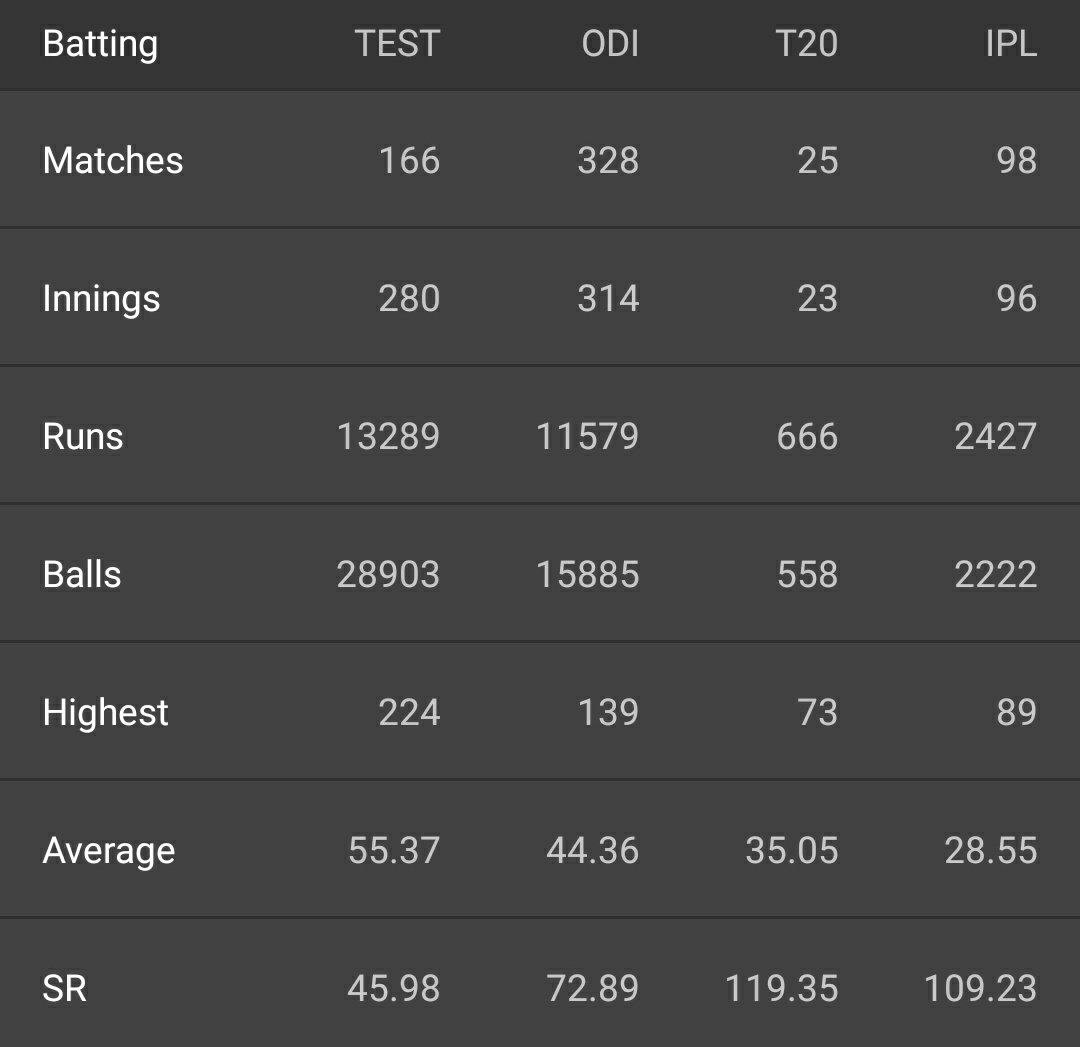
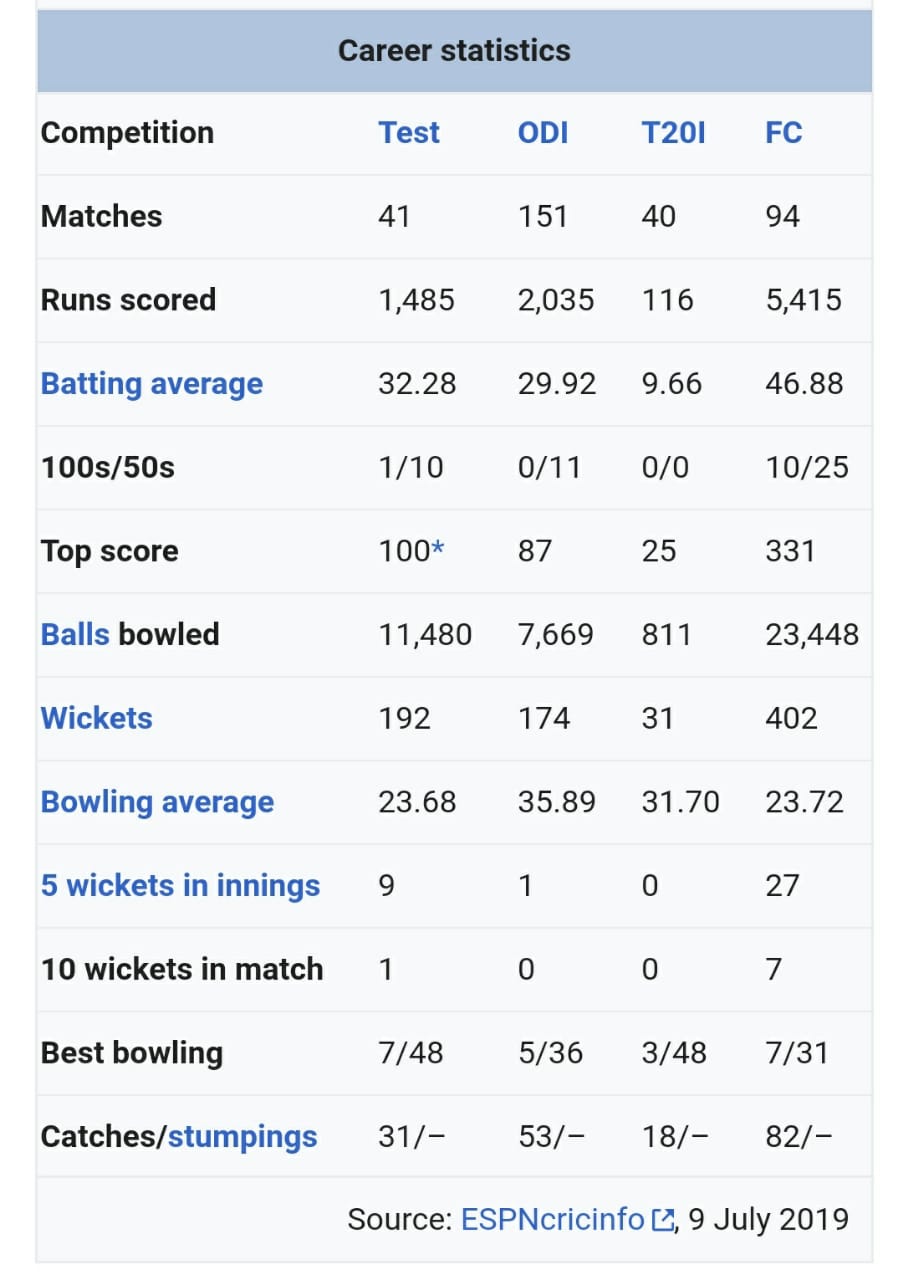
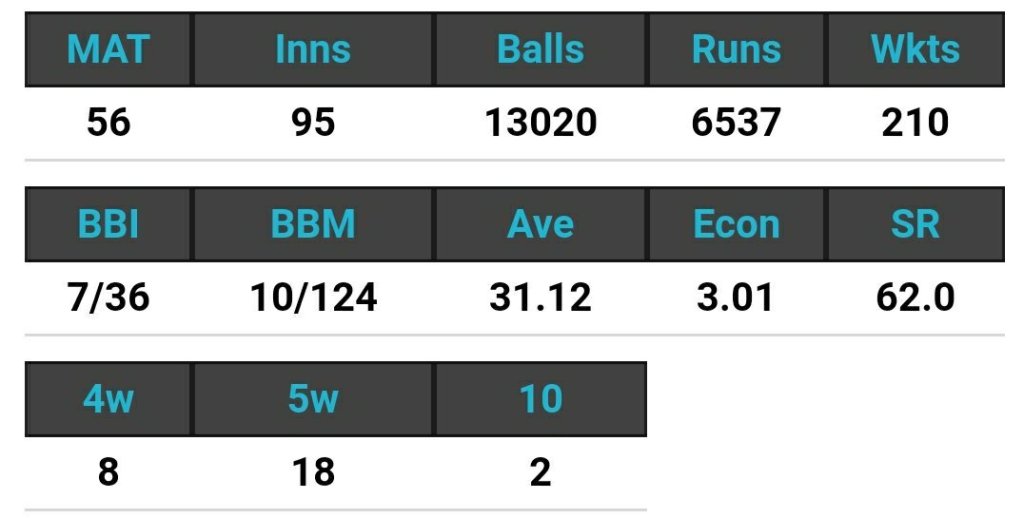
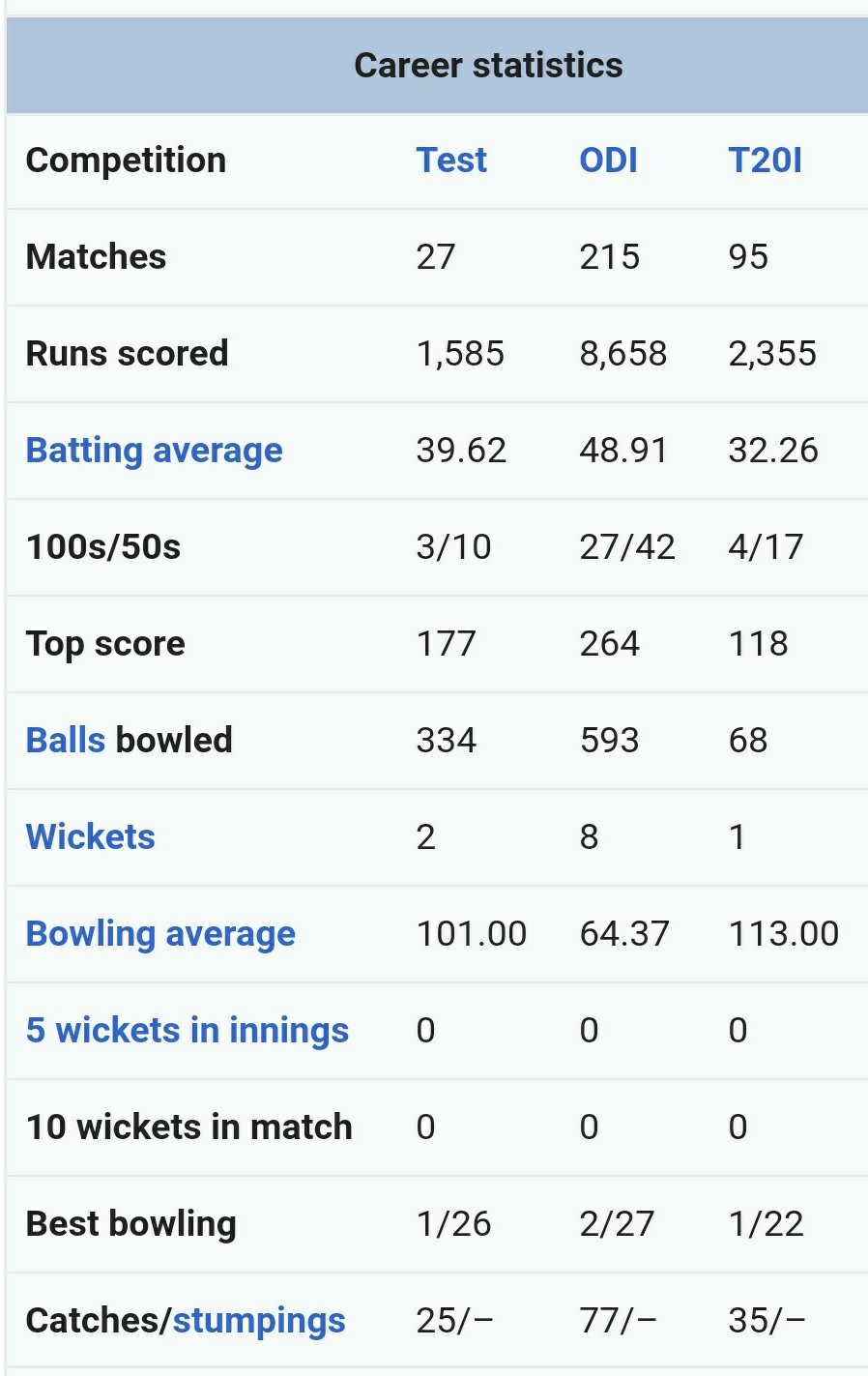
Imran Khan, Botham, Kapil, during their day, would challenge perhaps the class that was in Sobers. In our times the likes of Kallis, Shakib and possibly Flintoff have been the names that come to my mind when I think of ‘geniune all-rounders’. So where does Jadeja fit in and more importantly where should he bat in the batting order, a question that has always come back to me, time and time again. We all have seen that he is more than a decent spinner on dry slow tracks. In fact not so long ago, he was not just no.1 in the list of best all-rounders but also topped the charts and held on to the no.1 bowlers slot in test and ODI cricket. If ODI cricket is anything to go by, the emergence of Jadeja is all there for us to see. In all the innings that Jaddu has batted, he is yet to get dismissed in around 33 percent of those innings. This is 1 in every 3 innings, where ‘sir’ Jadeja has closed the innings. But coming in at no. 8 or at most no. 7 (after Dhoni), is he batting too late in the order. In ODIs he has an average of almost 30 (with eleven 50+ scores out of 100 odd innings). In test matches he scores at an average of 32, and has a similar record coming in mostly at no. 7 or 8.

It is interesting to see how seamlessly his international record has mirrored his first class record in terms of not just his batting averages and strike rates, but also his bowling averages and economy. The transition seems to be effortless, with very little difference that one can see between his first class record and his international record.

With an attractive average in first class cricket of 46+ with 10 centuries which includes three 300+ scores, is Jaddu a better batsman than what we have seen of him in international test cricket.

Could we have him come at number 4 or 5? In terms of the evidence his first class record does seem to suggest that he has more runs in him than what we are allowing him to express. Should he be given a push ahead and allowed to score big runs, that he has done in first class cricket?

India also has Ashwin and now, Hardik Pandya who are also contributing with the bat as well as the ball. But simply going by his batting records in first class test cricket, Jadeja appears to be a better test batsman than Ashwin or Pandya. The three, however, have similar records in terms of batting averages in internation test matches.

Ashwin, as some of us would know, has opened the batting for his home state, Tamil Nadu, in Ranji cricket. But does he fit the bill as an opening batsman amongst the crop of opening batsmen, possibly not. Also Ashwin only appears to be effective in tests but not so much in ODIs. In case of Jadeja, given the limited talent that we have at no.5 or 6 in test matches, and how each middle order batsman has fared so far, should we look at bringing him at no.5 or 6 as a proper batsman. Perhaps we can then see what he does with the time and the opportunity that he gets with the bat, in the middle order. Will he replicate the talent in batting, of having scored over 5000 runs, three 300+ scores… time and timely opportunity given to bat earlier in the batting order, will elaborate that. India will definitely not mind that.

Imagine, a player who is a leading spinner of the side, also comes in, in the middle order and scores ‘big’ hundreds. With Ashwin, Pandya and Pant to follow (if all three are selected), coming in at no. 5 will also allow Jadeja the time to build longer innings of sorts and, may allow India to play 5 genuine bowlers, on a regular basis.

With Dhoni now due to retire from all forms of cricket (rumoured), will the thought of bringing Jadeja higher up the batting order, make India’s middle order stronger? It may not be able to match the likes of Laxman, Ganguly and Dhoni, instantly, however, with opportunity and time, a solid lower middle order can be built in the long run.

Time will reveal.. however, given the all-rounders that we have seen in the past, where do you think Jadeja would rate as an all-rounder? I believe, Kapil Dev has probably been India’s best all-rounder of all times, without any trace of doubt, by a stretch from the rest.

Who would you rate as the next best all-rounder that India has had, after Kapil Dev?

Please leave your comments and thoughts below.

Design a site like this with WordPress.com
Get started